

What are the mental and physical challenges of performing Umrah?

Performing Umrah is one of the most cherished spiritual journeys a Muslim can undertake. It is a trip filled with devotion, reflection, and profound personal meaning. Yet many pilgrims are unaware that there are real mental and physical challenges of performing Umrah that must be prepared for before departure. From navigating huge crowds to coping with long hours on foot, this pilgrimage tests both heart and body in powerful ways. Whether you are planning by yourself or with family, preparation makes all the difference to your experience.
For residents in the Gulf region, completing the Umrah visa from UAE application is the first step toward fulfilling this dream. Once approved, pilgrims often feel excitement mixed with anticipation as they approach the sacred cities. However, understanding the demanding nature of the rituals and the environment is just as important as travel planning. In this guide, we explore not only the common obstacles pilgrims face, but also practical tips to navigate them with ease, comfort and an uplifted spirit.
Understanding the Mental and Physical Challenges of Performing Umrah
Understanding the Nature of Umrah
Umrah holds deep spiritual significance and involves a series of devotional rituals performed in specific order. This sacred journey engages both the heart and body from start to finish, making it more than a typical travel experience. Pilgrims often feel uplifted, yet challenged by the intensity and length of rituals that require careful attention.
The mental and physical challenges of performing Umrah arise because this pilgrimage demands endurance, patience, and inner focus. The environment is vibrant but crowded, and the need to align physical actions with spiritual intention can be both demanding and transformative. Recognizing what lies ahead helps pilgrims find balance between devotion and rest.
Physical Challenges During Umrah
1. Extensive Walking and Standing
During Umrah, pilgrims walk long distances around the ritual sites, often repeatedly throughout the day. Standing in lines and during prayer can leave legs aching and muscles fatigued. Without proper preparation, even short distances can feel tiring, especially in crowded conditions. Walking for hours requires good stamina and strength to avoid strain.
2. Extreme Weather Conditions
The climate in the sacred cities is often hot and dry, particularly in summer months. Heat and sun exposure can lead to dehydration, dizziness, and fatigue. Pilgrims not used to such conditions may find their energy depleting quickly. Caring for your body with hydration and rest becomes crucial in maintaining comfort and safety throughout the day.
3. Heavy Foot Traffic and Congestion
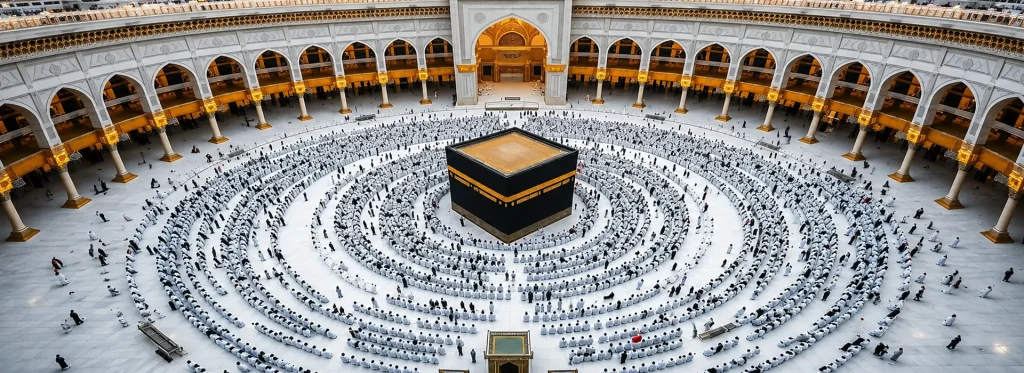
Large crowds are part of the Umrah experience, especially during peak seasons. Maneuvering through tightly packed areas around the main mosque can be physically demanding. The pressure of crowds increases the need for careful movement, which can drain energy faster than expected and create muscle tension over time.
4. Sleep Disruption and Fatigue
The desire to complete rituals early or avoid crowds often leads to irregular sleep patterns. Late nights and early mornings combined with long days can cause cumulative fatigue. Without adequate rest, the body struggles to recover, making pilgrims feel worn out and less able to focus on prayer and reflection.
5. Carrying Personal Belongings
Pilgrims often carry bags with essential items like water, prayer mats, wallets, and personal items. The act of walking while carrying weight places added stress on shoulders, backs, and feet. Constantly shifting or adjusting these items contributes to muscle strain and physical discomfort over time.
Mental and Emotional Challenges
1. High Expectations vs Reality
Pilgrims often arrive with strong emotional anticipation about this sacred journey. When reality includes heat, crowds, waiting lines, or unexpected delays, frustration can set in. Managing expectations becomes a central mental test. Accepting circumstances with calm helps pilgrims remain focused on their spiritual goals.
2. Maintaining Concentration
The repetitive nature of rituals and the busy environment make staying mentally focused a challenge. Noise, crowds, and external distractions require strong attention to spiritual intention. Many pilgrims find it difficult to maintain deep concentration without getting mentally tired or distracted by practical concerns.
3. Emotional Intensity
This sacred journey can stir deeply personal feelings related to faith, loss, family, and devotion. Some pilgrims may feel overwhelmed by emotion, while others struggle to reach the spiritual depth they hoped for. This emotional fluctuation requires mental strength and self‑awareness to navigate without discouragement.
4. Stress from Navigation and Planning
Managing time, moving between locations and organizing group members add psychological pressure. Pilgrims worry about completing every ritual correctly or staying with companions. These stresses can reduce spiritual focus and increase mental fatigue if not managed mindfully.
5. Crowd‑Related Anxiety
Being in extremely busy environments triggers stress for many pilgrims, especially those who are sensitive to crowds or have never experienced such intense foot traffic. Anxiety spikes when personal space feels limited, making it harder to remain peaceful and connected to the moment.
Challenges Faced by Specific Groups
1. Elderly Pilgrims
Older adults often face limited mobility, chronic pains and lower stamina. Long hours of walking and standing become more physically demanding. They may require frequent breaks or assistance. Emotionally, the pressure to complete rituals within physical limits can create stress that requires compassion and planning.
2. Women Traveling with Children
Women with young children have the dual role of managing their own physical needs while caring for energetic or restless children. The pace of rituals and navigation through crowds increases fatigue. Maintaining patience and attention toward children adds mental complexity to the overall experience.
3. First‑Time Pilgrims
Those performing Umrah for the first time often feel uncertainty about what to expect. Navigating unfamiliar locations and routines produces stress. Mentally adjusting to constant movement and rituals makes focus harder. Emotional responses can vary from excitement to worry about performing correctly.
4. Pilgrims with Health Conditions
Individuals with diabetes, heart conditions, or asthma must monitor their health closely. Physical exertion may worsen symptoms if medication and rest are not properly managed. Mentally, dealing with health concerns while observing rituals can increase anxiety and reduce enjoyment.
5. Pilgrims with Limited Fitness
Pilgrims who are not physically active may find the continuous walking and standing especially demanding. Their bodies tire quickly and may experience soreness. Managing time and taking rest breaks becomes essential, while mental encouragement is necessary to stay motivated.
Practical Tips to Overcome Physical Challenges
- Start walking daily before departure to build stamina.
- Carry a water bottle and hydrate frequently.
- Wear comfortable cushioned footwear.
- Take short rest breaks throughout the day.
- Use mobility aids if needed for comfort.
Tips to Handle Mental and Emotional Challenges
- Set realistic expectations for your journey.
- Focus on intention rather than perfection.
- Practice patience during waits and queues.
- Stay present rather than thinking ahead.
- Support fellow pilgrims with calm communication.
Best Time to Perform Umrah for Comfort
Choosing the best time to perform Umrah can dramatically reduce both physical strain and mental stress. Cooler months outside summer offer more comfortable weather and lower chances of dehydration. Performing Umrah during off‑peak periods away from major holiday seasons also means fewer crowds and smoother movement.
Weather has a direct impact on your overall experience. Mild temperatures allow pilgrims to walk longer distances without exhaustion. Reduced crowd levels provide personal space, making it easier to stay focused on the rituals. Planning with timing in mind enhances both comfort and spiritual engagement.
Frequently Asked Questions (FAQs)
Yes, Umrah involves extensive walking, standing, and navigating crowds, which can be physically demanding for first‑time pilgrims without prior preparation.
The total walking distance varies, but including ritual circuits and movement between sites, pilgrims may walk several kilometers each day.
Elderly pilgrims benefit from pacing themselves, using mobility support, taking frequent rest breaks, and staying hydrated throughout the rituals.
Common mental challenges include maintaining focus, managing expectations, handling crowd anxiety, and balancing emotional intensity.
Staying energized involves proper hydration, balanced meals, adequate rest, pacing activities, and listening to your body’s needs.
Yes, first‑time pilgrims often experience stress due to unfamiliar routines, crowd navigation, and ensuring correct performance of rituals.
Conclusion
The journey of Umrah is uplifting and spiritually transformative, yet it brings very real mental and physical challenges of performing Umrah. These challenges arise from the demand for long walks, heat exposure, heavy foot traffic, distraction, and heightened emotional involvement. Recognizing these realities equips pilgrims to prepare both mind and body in advance, strengthening resilience and focus.
With intention, patience, physical preparation, and emotional readiness, pilgrims can navigate these challenges without losing sight of the deeper purpose of their journey. Understanding the common obstacles and how to handle them opens the way for a more peaceful, rewarding, and fulfilling Umrah experience. Whether it’s through better planning, supportive companions, or mindful awareness, embracing each step with calm confidence transforms every test into a source of spiritual growth.
Newsletter
Recent Blogs
-
 How Proper Umrah Preparation Improves the Pilgrimage Experience15 Jun 2026
 -
 Understanding Quad, Triple, and Double Sharing in Umrah Packages13 Jun 2026
 -
 Hidden Costs Pilgrims Should Know Before Booking Umrah by Bus12 Jun 2026
 -
 What Pilgrims Should Consider When Choosing Umrah Travel Dates11 Jun 2026
 -
 Why Travelers Prefer Customized Umrah Packages Over Standard Packages10 Jun 2026
