

What Are Off-Peak Months for a Peaceful Umrah Experience?
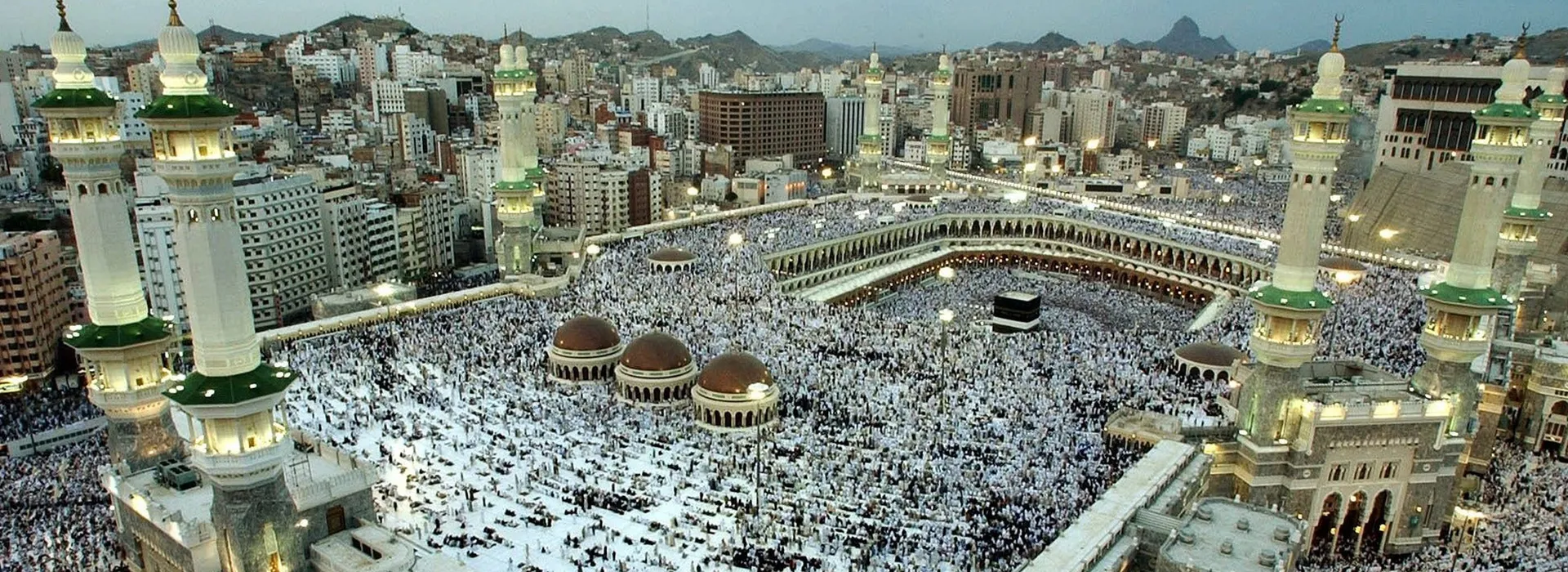
Planning your Umrah journey with the right timing can make a significant difference in how comfortable and meaningful your trip feels. Many pilgrims focus only on completing the rituals, but choosing the right travel period can enhance the entire experience. When crowds are smaller and arrangements are smoother, you can focus more on your spiritual goals instead of dealing with long waiting times and congestion. Selecting a suitable umrah package by air also plays an important role in ensuring a relaxed and well-organized journey from start to finish.
For those looking to enjoy a Peaceful Umrah Experience, understanding off-peak months is essential. Traveling during quieter times allows you to perform rituals calmly, spend more time inside the Haram, and avoid the stress of heavy crowds. With proper planning, you can turn your Umrah into a deeply personal and fulfilling journey that brings both comfort and spiritual satisfaction.
Best Off-Peak Months for a Peaceful Umrah Experience
What Does Off-Peak Season Mean for Umrah?
Difference between peak and off-peak periods
Peak periods for Umrah are times when a large number of pilgrims travel, such as during Ramadan, school vacations, and major public holidays. During these times, hotels are fully booked, flights are expensive, and the Haram becomes extremely crowded. Off-peak periods, however, occur outside these busy times. These quieter months offer better availability, smoother arrangements, and a more relaxed environment. Choosing off-peak travel helps pilgrims avoid unnecessary stress and enjoy a more comfortable and meaningful journey.
Crowd levels and travel experience
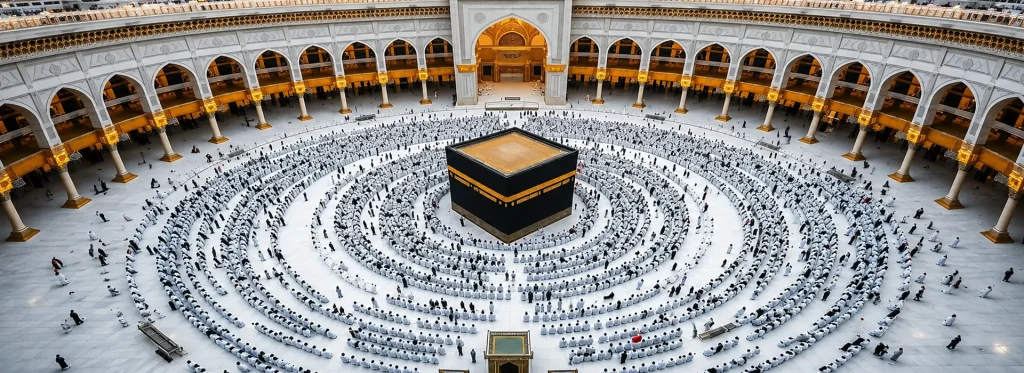
Crowd levels have a direct impact on your overall Umrah experience. During peak seasons, performing rituals can become physically demanding due to the large number of people. Movement inside the Haram can be slow, and finding space for prayers may be challenging. In contrast, off-peak months provide a more balanced environment with manageable crowds. This allows pilgrims to perform rituals with ease, spend more time in prayer, and enjoy a calm and focused spiritual atmosphere.
Best Off-Peak Months for Umrah
After Hajj season
The period immediately after Hajj, particularly during the months of Muharram and Safar, is one of the best times for a Peaceful Umrah Experience. During this time, most pilgrims have already completed their journeys and returned home, leading to a noticeable drop in crowd levels. This creates a more relaxed environment where you can perform rituals without rushing or facing heavy congestion. Hotels and flights are also more readily available, making travel planning easier and more affordable.
Mid-year months (excluding holidays)
Mid-year months such as February, May, and parts of September are often considered off-peak, especially when they do not overlap with school vacations or major holidays. These months offer a great balance between comfort and affordability. Pilgrims traveling during this time can benefit from moderate weather conditions, better hotel choices, and fewer crowds. This makes it easier to complete rituals without stress while still enjoying a comfortable stay.
Early Islamic calendar months
The early months of the Islamic calendar, especially Muharram and Safar, are ideal for those seeking a quieter Umrah experience. These months are less popular compared to others, which means fewer pilgrims and shorter waiting times. Traveling during this period allows you to spend more time in prayer and reflection. It is an excellent choice for individuals who prefer a calm and less crowded environment for their spiritual journey.
Benefits of Performing Umrah During Off-Peak Months
Less crowded Haram experience
One of the biggest advantages of traveling during off-peak months is the reduced crowd inside the Haram. With fewer people, you can move more freely and perform rituals without feeling rushed or overwhelmed. A Peaceful Umrah Experience becomes much easier to achieve when you have enough space to focus on your prayers and spiritual connection. This also reduces physical strain, making the journey more comfortable for all age groups.
Lower travel and accommodation costs
Traveling during off-peak months can significantly reduce your overall expenses. Flights, hotels, and transportation services are often cheaper due to lower demand. This allows pilgrims to plan their journey within a reasonable budget without compromising on comfort. Families and groups can especially benefit from these savings, making it easier for more people to experience Umrah together without financial pressure.
Easier access to rituals
During off-peak periods, access to key areas inside the Haram becomes much easier. Pilgrims can perform Tawaf and Sa’i with less waiting time and minimal crowd pressure. This makes the entire process smoother and more organized. With fewer obstacles, you can focus fully on completing your rituals properly and with concentration, leading to a more fulfilling and meaningful experience.
Months to Avoid for a Peaceful Umrah
Ramadan peak period
Ramadan is one of the most popular times for Umrah due to its spiritual significance, but it is also the busiest. Millions of pilgrims gather, especially during the last ten days, leading to extreme crowding. While many people choose this time for its rewards, those seeking comfort and ease may find it challenging. Travel costs also increase significantly during this period, making it less suitable for a calm journey.
School holidays and long weekends
School holidays often lead to a rise in family travel, increasing the number of pilgrims. During these periods, flights and hotels get booked quickly, and the Haram becomes more crowded. Long weekends also attract short-term travelers, adding to the overall congestion. If your goal is a peaceful and relaxed Umrah experience, it is best to avoid planning your trip during these busy times.
Public holidays in Gulf countries
Public holidays in Gulf countries can lead to a sudden increase in Umrah travel due to the short distance and easy accessibility. Many people take advantage of these holidays to perform Umrah, resulting in crowded conditions. This can affect both accommodation availability and the overall experience inside the Haram. Avoiding these dates can help ensure a smoother and more comfortable journey.
Tips for Planning a Peaceful Umrah Trip
Choosing the right travel dates
Selecting the right travel dates is one of the most important steps in planning your Umrah journey. Research different months, check for holidays, and avoid peak seasons whenever possible. Choosing off-peak periods helps you enjoy fewer crowds, better services, and a more relaxed environment. Proper planning ensures that your journey is smooth and allows you to focus fully on your spiritual goals.
Booking in advance even for off-peak
Even if you are traveling during off-peak months, booking in advance is highly recommended. Early reservations help you secure better deals on flights and hotels, as well as preferred locations near the Haram. Planning ahead also reduces last-minute stress and ensures that all arrangements are in place before your departure, allowing you to focus on your journey with peace of mind.
Selecting less crowded prayer times
Timing your activities wisely can make a big difference in your Umrah experience. Early morning and late-night hours are usually less crowded compared to peak prayer times. Choosing these quieter periods allows you to perform rituals with greater ease and comfort. This simple strategy can help you avoid congestion and make your journey more peaceful and enjoyable.
Frequently Asked Questions
Muharram and Safar are usually the least crowded months for Umrah.
Yes, travel and accommodation costs are generally lower during off-peak periods.
Yes, it is one of the best times with fewer crowds and better availability.
Yes, airfare is usually more affordable due to lower demand.
Travel during off-peak months and choose less busy times for rituals.
Yes, winter can be a good time if it does not overlap with holidays or peak travel periods.
Conclusion
Choosing the right time to perform Umrah is essential for ensuring a comfortable and meaningful journey. By understanding the difference between peak and off-peak seasons, you can avoid unnecessary stress and focus on your spiritual goals. Traveling during quieter months such as Muharram, Safar, or mid-year periods allows for better accessibility, reduced costs, and a more relaxed environment inside the Haram. Proper planning, including selecting the right travel dates and booking in advance, plays a key role in making your journey smooth and well-organized.
A truly Peaceful Umrah Experience is possible when you prioritize timing and preparation. Avoiding crowded periods like Ramadan and public holidays helps you perform rituals with ease and concentration. With fewer distractions and more comfort, you can fully immerse yourself in the spiritual aspect of your journey. Careful planning and choosing the right off-peak months can turn your Umrah into a memorable and deeply fulfilling experience.
Newsletter
Recent Blogs
-
 How Proper Umrah Preparation Improves the Pilgrimage Experience15 Jun 2026
 -
 Understanding Quad, Triple, and Double Sharing in Umrah Packages13 Jun 2026
 -
 Hidden Costs Pilgrims Should Know Before Booking Umrah by Bus12 Jun 2026
 -
 What Pilgrims Should Consider When Choosing Umrah Travel Dates11 Jun 2026
 -
 Why Travelers Prefer Customized Umrah Packages Over Standard Packages10 Jun 2026
