

When to Wear Ihram and Key Prohibitions to Follow During Umrah
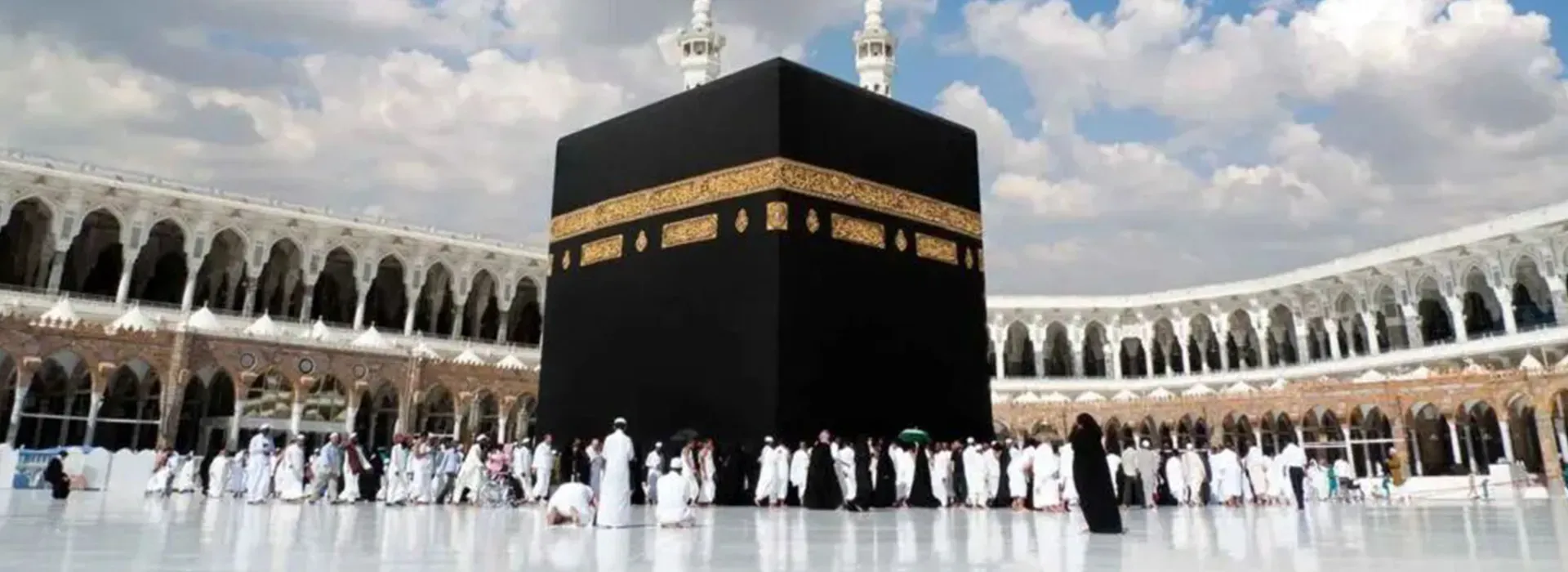
Understanding When to Wear Ihram for Umrah is one of the most important steps for every pilgrim preparing for this sacred journey. Ihram is not just clothing it is a spiritual state that marks the beginning of Umrah rituals and symbolizes purity, equality and devotion to Allah. Knowing the correct timing helps pilgrims avoid mistakes and ensures a smooth and spiritually fulfilling experience.
For those planning their journey, many rely on professional Umrah Travel Packages to simplify arrangements and ensure they follow every religious requirement correctly. These packages often guide pilgrims about Miqat points, Ihram rules and travel logistics making the entire experience more organized and stress-free. Proper preparation allows pilgrims to focus fully on worship and reflection.
When to Wear Ihram and Key Prohibitions to Follow During Umrah
What is Ihram in Umrah?
Meaning and Spiritual Significance
Ihram is the sacred state a Muslim enters before performing Umrah. It represents spiritual cleansing, humility and equality before Allah. In this state, worldly distinctions disappear, reminding pilgrims of their ultimate purpose: worship and submission. It also marks the official beginning of Umrah rituals and requires specific intentions and discipline.
Components of Ihram
- Niyyah (Intention): The intention is made in the heart to perform Umrah solely for Allah. It must be sincere and free from worldly motives or distractions.
- Talbiyah Recitation: Pilgrims repeatedly recite Talbiyah, declaring their response to Allah’s call, reinforcing devotion and spiritual awareness throughout the journey.
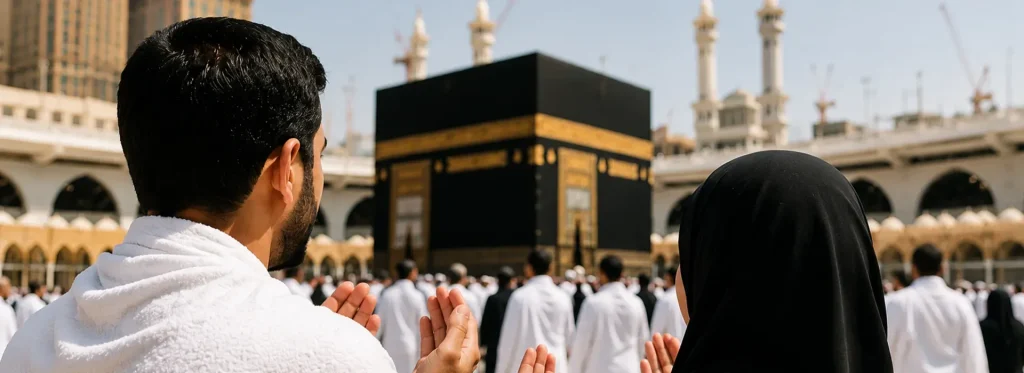
- Ihram Clothing for Men: Men wear two simple white unstitched cloths. This symbolizes equality among all believers, removing distinctions of wealth or status.
- Ihram Clothing for Women: Women wear modest, loose-fitting clothing covering the body. There is no specific color restriction, but simplicity and modesty are essential.
- State of Discipline: Entering Ihram requires avoiding certain actions like arguing or harming others, promoting patience, peace and spiritual mindfulness during Umrah.
When to Wear Ihram for Umrah
Miqat Boundaries Explained
Miqat boundaries are specific geographical points designated for entering the state of Ihram before proceeding to Makkah for Umrah. Pilgrims must not cross these points without Ihram. Each travel route air, land or sea has assigned Miqat locations. Observing When to Wear Ihram for Umrah at Miqat ensures compliance with Islamic rules and prevents violations requiring penalties or corrective actions.
Timing Based on Your Travel Mode
The timing of Ihram depends on how you travel. Air travelers usually enter Ihram before landing near Miqat, often during flight announcements. Road travelers must wear Ihram before reaching the boundary. Sea travelers must also prepare before crossing Miqat at sea points. Understanding When to Wear Ihram for Umrah based on travel mode prevents mistakes and ensures compliance with religious obligations.
Common Mistakes Pilgrims Make
- Delaying Ihram Entry: Some pilgrims wait too long and cross Miqat without Ihram, which requires correction or penalty and causes unnecessary stress during travel.
- Incorrect Intention Timing: Making the intention too early or too late can lead to confusion. It should be done exactly at or before Miqat.
- Ignoring Miqat Locations: Many travelers are unaware of specific Miqat points, leading to accidental violations. Proper guidance is essential before departure.
- Forgetting Ihram Preparation: Not carrying or wearing Ihram clothing in advance causes panic during travel, especially in flights or group journeys.
Key Prohibitions to Follow During Ihram
Restrictions on Personal Grooming
- Cutting Nails: Cutting nails is prohibited during Ihram to maintain spiritual discipline and avoid unnecessary physical alterations during the sacred state.
- Hair Removal: Removing hair from any part of the body is not allowed, symbolizing full acceptance of natural human condition before Allah.
- Using Perfume: Applying perfume or scented products is strictly forbidden, as Ihram requires simplicity and avoidance of luxury or attraction.
- Personal Grooming Habits: Excessive grooming practices are avoided to maintain humility and focus on worship rather than appearance or personal comfort.
Clothing Restrictions
- Stitched Clothing for Men: Men must avoid stitched garments, as Ihram requires unstitched cloth to symbolize equality and simplicity before Allah.
- Covering Head for Men: Men are not allowed to cover their heads during Ihram, maintaining a state of humility and openness.
- Face Covering for Women: Women should avoid covering the face with niqab during Ihram unless necessary for safety or non-mahram presence.
- Wearing Shoes: Closed shoes covering the ankle are not allowed for men, ensuring adherence to traditional Ihram guidelines.
Behavioral Restrictions
- Arguments and Fighting: Pilgrims must avoid disputes, as Ihram demands peace, patience, and respectful behavior throughout the sacred journey.
- Loud Speech or Abuse: Raising voice or using offensive language is strictly prohibited and goes against the spirit of pilgrimage.
- Hunting or Harming Animals: Killing or disturbing animals is not allowed, reflecting respect for all living beings during Ihram.
- Idle Activities: Engaging in unnecessary or distracting activities reduces spiritual focus and should be avoided.
Marital and Social Restrictions
- Intimate Relations: Any form of marital intimacy is prohibited during Ihram, ensuring complete spiritual dedication.
- Marriage Contracts: Conducting or proposing marriage is not allowed while in Ihram state.
- Flirtatious Behavior: Engaging in romantic gestures or inappropriate communication is forbidden.
- Physical Affection: Even non-intimate physical affection between spouses is restricted to maintain purity of intention.
What Happens If You Break Ihram Rules?
Types of Violations
- Minor Violations: Small mistakes like accidental perfume use require correction but do not invalidate Ihram completely.
- Major Violations: Serious breaches such as intentional intimacy can invalidate rituals and require significant compensation.
- Unintentional Errors: Mistakes made unknowingly still require awareness and corrective actions once realized.
- Repeated Violations: Continuous breaking of rules increases severity and may require stronger penalties.
Penalties (Fidya) Explained
Fidya is the compensation required when Ihram rules are broken. It may include fasting, feeding the poor or offering an animal sacrifice depending on the violation. The type of penalty depends on severity and intention. Pilgrims are encouraged to seek guidance immediately to ensure proper correction and maintain the spiritual integrity of their Umrah journey.
Practical Tips for Managing Ihram Comfortably
Preparing Before Wearing Ihram
Plan Ihram clothing in advance and pack essentials before travel. Learn Miqat locations and understand rituals clearly. Clean yourself properly before entering Ihram and make intention sincerely. Mental preparation is equally important to ensure focus, patience and readiness for spiritual discipline throughout the journey.
Staying Comfortable During Ihram
Choose breathable fabric to stay comfortable in warm climates. Stay hydrated and avoid unnecessary physical strain. Keep focus on worship rather than discomfort. Follow group guidance if traveling with a tour package. Maintain patience, as minor discomfort is part of the spiritual experience and reflection during Umrah.
Frequently Asked Questions (FAQs)
You should wear Ihram before crossing the Miqat boundary, depending on your travel method. Air travelers usually enter Ihram mid-flight when approaching Miqat, while road and sea travelers must prepare beforehand.
No, using deodorant or any scented products is not allowed in Ihram. Pilgrims must avoid fragrances to maintain purity and simplicity throughout the sacred state of worship and discipline.
If you break a rule unknowingly, you should correct it immediately once aware. Depending on the violation you may need to offer Fidya or perform compensatory actions as guidance suggests.
Women must wear modest, loose clothing covering the entire body except face and hands. There is no fixed color, but simplicity and modesty are required during the Ihram state.
Yes, you may adjust or temporarily change Ihram clothing for hygiene or necessity but you must ensure you remain in the correct state of Ihram throughout the Umrah rituals.
Children performing Umrah should wear Ihram if they are able. Parents or guardians usually help them, ensuring they follow basic rules in an age-appropriate and simplified manner.
Conclusion
Understanding When to Wear Ihram for Umrah is essential for every pilgrim seeking a smooth and spiritually fulfilling journey. It ensures proper alignment with Islamic guidelines and helps avoid common mistakes that may affect the validity of rituals. Entering Ihram at the correct Miqat and time reflects discipline, awareness and devotion.
When pilgrims correctly follow the rules of Ihram, their experience becomes more meaningful and focused on worship. Proper preparation and knowledge help eliminate confusion and stress during travel, allowing full concentration on spiritual growth and connection with Allah.
Ultimately, wearing Ihram at the correct time transforms the journey into a deeply peaceful and rewarding experience. It is not just a ritual requirement but a powerful reminder of equality, humility, and submission, making every moment of Umrah more meaningful and spiritually enriching.
Newsletter
Recent Blogs
-
 How Proper Umrah Preparation Improves the Pilgrimage Experience15 Jun 2026
 -
 Understanding Quad, Triple, and Double Sharing in Umrah Packages13 Jun 2026
 -
 Hidden Costs Pilgrims Should Know Before Booking Umrah by Bus12 Jun 2026
 -
 What Pilgrims Should Consider When Choosing Umrah Travel Dates11 Jun 2026
 -
 Why Travelers Prefer Customized Umrah Packages Over Standard Packages10 Jun 2026
