

What Are the Best Ziyarat Spots to Strengthen Faith in Madinah?
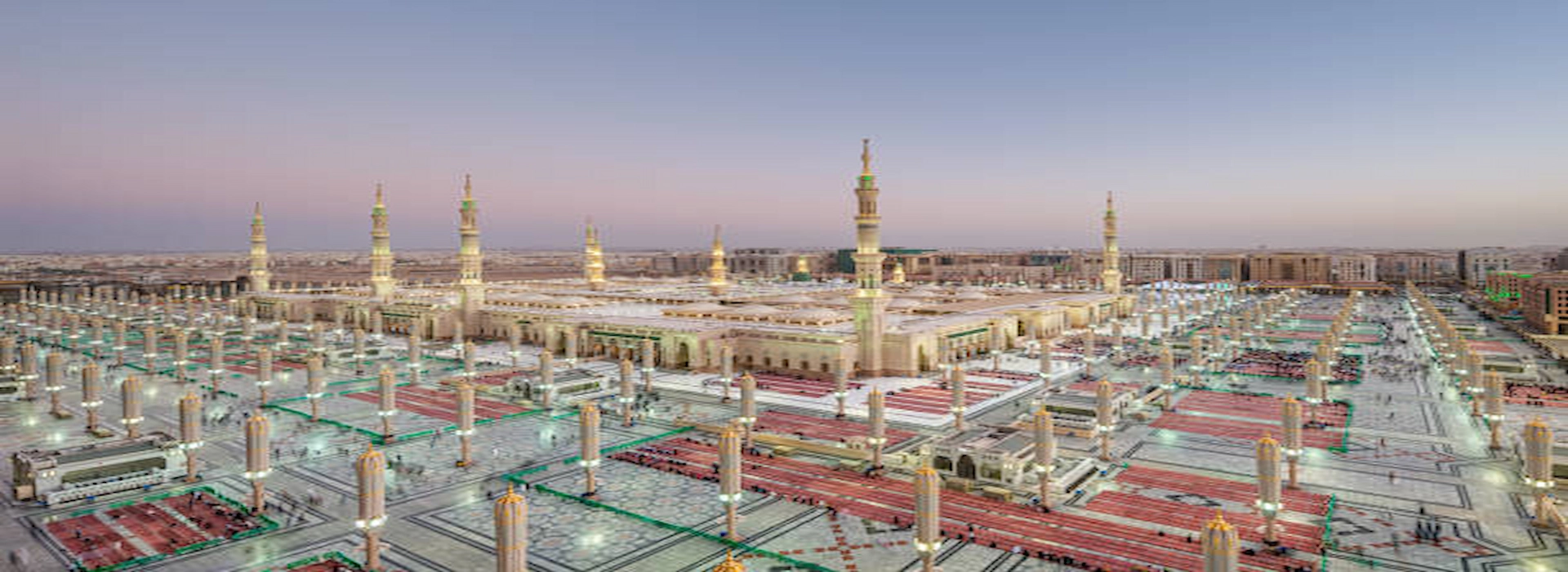
Every Muslim traveling for Umrah hopes to Strengthen Faith in Madinah, especially when visiting this sacred city with a family Umrah trip. Madinah, the beloved home of Prophet Muhammad ﷺ, is filled with spiritual calmness, history, and divine blessings. Pilgrims from around the world come here not only to pray but to connect deeply with Islamic heritage through Ziyarat places in Madinah.
From peaceful mosques to historic Islamic holy sites, every step of a Madinah pilgrimage reminds the heart of sacrifice, unity, and devotion to Allah. Visiting these blessed locations helps us reflect on the Prophet’s noble life and the strength of the early Muslim community. Whether you plan Umrah and Ziyarat together or make a dedicated visit to Madinah, exploring these sacred spots will undoubtedly enrich your spiritual journey.
Sacred Mosques Every Pilgrim Should Visit
Al-Masjid an-Nabawi – The Heart of Madinah’s Faith
Masjid an-Nabawi is the second holiest mosque in Islam and the spiritual center of Madinah. Here rests the Prophet Muhammad ﷺ, and every prayer performed inside is filled with immense rewards. Offering salah in the Rawdah, sending salutations to the Prophet ﷺ, and spending time in remembrance are blessings that bring peace to the soul.
Quba Mosque – The First Mosque in Islam
Established by the Prophet ﷺ upon arriving in Madinah, Quba Mosque holds a special place in Islamic history. Performing two rak’ahs here is equal to the reward of an Umrah, as mentioned in authentic hadith. Its atmosphere encourages deep devotion and gratitude.
Qiblatain Mosque – Where the Qibla Was Changed
This mosque is known for the historic moment when Allah commanded Muslims to change the Qibla from Masjid Al-Aqsa to the Kaaba. Visiting Qiblatain reminds us of obedience to divine command and the unity of the Ummah.
Seven Mosques Complex (Sab’a Masajid)
Located near the Trench site, these small mosques commemorate key moments during the Battle of Khandaq. It is a peaceful area to reflect on the bravery and patience of the Sahabah.
Historic Ziyarat Sites Connected to Prophet Muhammad
Jannat al-Baqi – Resting Place of the Sahabah & Family of the Prophet ﷺ
This sacred cemetery holds the graves of thousands of the Prophet’s companions, his blessed family members, and many early Islamic figures. Standing here reminds pilgrims of the reality of life and the virtues of those who helped establish Islam.
House of Imam Ali (R.A) & Sayyida Fatima (R.A) Location
This location carries sentimental value for Muslims who honor the noble Ahl-al-Bayt. Although the exact structure no longer remains, visiting the area where they lived brings love and respect into the heart.
Area of the Prophet’s Battles & Historical Landmarks
Many landmarks around Madinah mark important events in Islamic history. Exploring them allows pilgrims to visualize the struggles of early Muslims and strengthens appreciation for their sacrifice.
Important Battle Sites to Reflect on Islamic History
Uhud Mountain – Martyrs of Uhud & Grave of Hamza (R.A)
Mount Uhud is one of the most emotional Ziyarat sites in Madinah. Here lies Sayyid al-Shuhada, Hamza ibn Abdul-Muttalib (R.A), along with the martyrs of Uhud. Visiting this site renews courage, faith, and awareness of sacrifices made for Islam.
Trench Site (Ghazwa-e-Khandaq Area)
This area marks the location of the Battle of Khandaq where Muslims showed extraordinary patience and trust in Allah against overwhelming odds. Visiting here teaches lessons of resilience and unity.
Spiritual Places to Strengthen Connection with Islamic Heritage
Bir e Shifa – Historic Well of Healing
This well is historically associated with the blessings of Prophet Muhammad ﷺ. It reminds pilgrims that true healing comes from Allah and that dua remains a powerful tool of faith.
Masjid Ghamama – Linked to Eid & Rain Prayers
This mosque near Masjid an-Nabawi is linked to the Prophet’s ﷺ rain prayer and Eid gatherings. It highlights the community spirit and worship traditions established in early Islam.
Masjid Abu Bakr (R.A) – Reflecting Simplicity and Faith
Named after the first Caliph of Islam, this mosque symbolizes sincerity, humility, and loyalty. A visit encourages the believer to strengthen their character and deepen their connection with Allah.
Practical Tips for a Blessed Ziyarat Experience
Best Time to Visit Each Site
Early morning after Fajr or late evening after Maghrib are ideal times—less heat, fewer crowds, more peaceful reflection. Fridays and weekends tend to be busier.
Etiquettes of Ziyarat in Madinah
Approach every site with respect and intention of ibadah
Avoid loud talking and unnecessary photography
Dress modestly and maintain cleanliness
Send salawat upon the Prophet ﷺ often
How to Plan Routes & Transport for Pilgrims
Choose grouped Ziyarat tours for convenience, especially for families and elderly pilgrims. Trusted agencies like Mohamed Al Tenaiji Travels help arrange comfortable transport and knowledgeable guides for a meaningful experience.
Conclusion – Renewing Faith Through Madinah’s Sacred Landmarks
When you travel to Madinah, you walk in the footsteps of the Prophet ﷺ and the noble companions. Visiting these Madinah Ziyarat locations strengthens love for Islam and deepens the heart’s connection with Allah. Every mosque, every mountain, and every historical spot reminds us of sacrifice, bravery, and divine blessings. Including these Blessed sites in Madinah in your Umrah journey brings inspiration and guidance to your life even after returning home. With sincere intentions and respect for the holy city, your visit to Madinah will truly Strengthen Faith in Madinah and fill your heart with peace, gratitude, and renewed devotion.
FAQs
1. What is the purpose of doing Ziyarat in Madinah?
The purpose of Ziyarat is to remember the sacrifices of the Prophet Muhammad ﷺ and his companions, strengthen our connection with Islamic history, and increase spiritual reflection during Umrah or Madinah visits.
2. Is Ziyarat necessary during an Umrah trip?
Ziyarat is not obligatory, but it is highly recommended. It allows pilgrims to gain knowledge, deepen their love for the Prophet ﷺ, and appreciate the heritage of Islam.
3. Can I visit all Ziyarat places in one day?
It depends on the number of locations you choose. Major sites like Masjid an-Nabawi, Quba Mosque, and Uhud can be covered in a half-day tour if planned well with transport.
4. What is the best time of day to visit Ziyarat locations?
Early morning after Fajr or later in the evening after Maghrib is best due to cooler weather and fewer crowds, making the experience more peaceful.
5. Do I need a guide for Ziyarat?
While it’s possible to visit on your own, a knowledgeable guide or organized tour helps explain historical details and ensures you don’t miss important locations.
6. Is Ziyarat suitable for elderly family members?
Yes, but choose comfortable transport and avoid high-crowd timings. Some locations involve walking, so wheelchair assistance may be helpful.
7. Can women visit all Ziyarat spots in Madinah?
Yes, women can visit all outdoor Ziyarat places. For Rawdah visits inside Masjid an-Nabawi, designated timings are provided specifically for women.
8. Are photography and videos allowed at Ziyarat places?
Photography is allowed in most outdoor areas but must be respectful. Inside sacred mosques like Rawdah, photography is not permitted.
9. How should I behave at historical Islamic sites?
Maintain silence, avoid rushing, dress modestly, do not litter, and make dua while remembering the significance of each place.
10.Can children join Ziyarat tours?
Yes, children can participate and learn about Islamic history. Choose shorter tours and ensure they stay hydrated and close to adults.
Newsletter
Recent Blogs
-
 How Do Travelers Choose the Best Umrah Support Services?23 Jan 2026
 -
 What UAE Pilgrims Should Know About Hotel Location Before Booking22 Jan 2026
 -
 How to Organize a Last-Minute Umrah Trip From Abu Dhabi22 Jan 2026
 -
 How UAE Parents Can Prepare Teenagers for Their First Umrah21 Jan 2026
 -
 Best Strategies for UAE Pilgrims to Avoid Crowd Fatigue During Umrah21 Jan 2026
