

What’s the Difference Between Hajj and Umrah for First-Timers?

For many Muslims, the journey to the Holy Cities is a lifelong dream—yet many first-time pilgrims often find themselves confused about the difference between Hajj and Umrah for First-Timers, especially when searching for the best Umrah package from the UAE. Both are deeply spiritual acts of worship, but each carries its own purpose, timing, and significance in Islam.
First-time travelers may not know which pilgrimage to start with or what makes each journey unique, which is why understanding these differences is essential before planning. This guide explains the purpose, rituals, timing, and preparation required for both Hajj and Umrah so you can choose the right path with confidence. From core obligations to practical tips, you will learn everything needed to begin your pilgrimage journey with clarity and faith.
Why First-Time Pilgrims Must Know These Differences
Knowing the difference helps new pilgrims prepare properly—spiritually, physically, and emotionally—while ensuring they choose the right pilgrimage based on their readiness, intention, and comfort level.
The Core Difference Between Hajj and Umrah for First-Timers
Hajj is one of the Five Pillars of Islam and is a mandatory act for every Muslim who is physically and financially capable. It takes place only once a year during specific days of Dhul Hijjah. Because of its scale, rituals, and crowd levels, Hajj involves greater commitment and preparation.
Umrah, on the other hand, is a voluntary pilgrimage that can be performed at any time of the year. It is shorter, easier, and especially suitable for beginners. Many first-time pilgrims prefer starting with Umrah to become familiar with the rituals, the environment, and the spiritual atmosphere of Makkah and Madinah.
From duration to intention and logistics, these distinctions help you decide which pilgrimage aligns best with your current situation and spiritual goals.
Hajj as a Once-in-a-Lifetime Duty
Hajj is obligatory once in a lifetime, and completing it fulfills a major pillar of faith.
Why Umrah Is Easier for Beginners
Umrah is flexible, shorter, and ideal for those performing pilgrimage for the first time or those seeking a less demanding spiritual journey.
Ritual Differences in Hajj and Umrah for First-Timers
Though both pilgrimages begin with entering the sacred state of Ihram, their rituals differ significantly in structure and duration.
Ritual Stages of Umrah Explained
Umrah consists of four main rituals:
- Ihram – Declaring intention at the Miqat
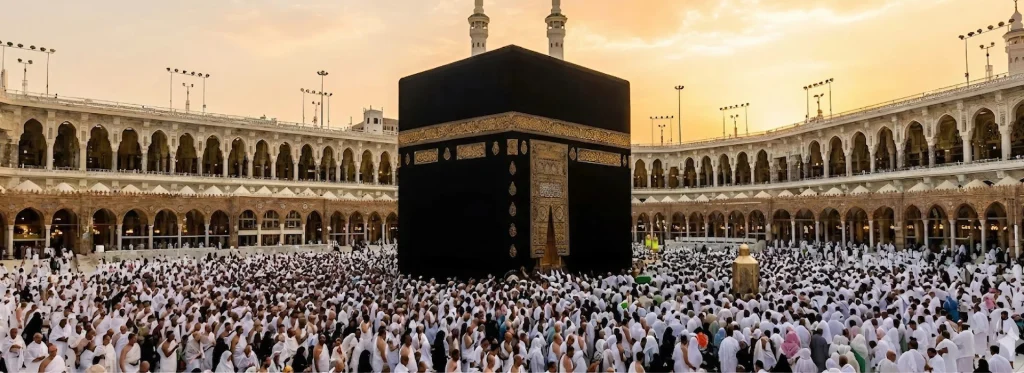
- Tawaf – Circling the Kaaba seven times
- Sa’i – Walking between Safa and Marwah
- Halq/Taqsir – Shaving or trimming the hair
These steps can be completed within a few hours or one day, making Umrah easier for first-time pilgrims.
Ritual Stages of Hajj Explained
Hajj includes:
- Entering Ihram
- Spending the Day of Arafat
- Staying in Muzdalifah
- Overnight in Mina
- Stoning the Jamarat
- Tawaf al-Ifadah
- Sa’i
- Sacrifice
- Final Tawaf before completing the pilgrimage
These rituals are performed over several days and require more physical stamina and patience.
Ihram Requirements for Both Pilgrimages
Ihram rules, dress, and restrictions apply to both Hajj and Umrah, but Hajj has longer Ihram duration and more conditions to maintain.
Cost Differences: Hajj and Umrah for First-Timers
While we will not mention specific prices, Hajj is generally more expensive due to its longer duration, fixed dates, accommodation demands, and extensive logistics. Umrah is flexible, easier to book, and more affordable for beginners.
For newcomers, Umrah offers better opportunities for planning, comfort, and finding packages that fit their spiritual goals. A trusted agency like Mohamed Al Tenaiji Travels can guide first-time pilgrims with clarity, convenience, and proper arrangements.
Money-Saving Tips for Umrah Beginners
- Book during off-peak months
- Choose shorter stays if needed
- Select accommodations slightly farther from Haram
- Plan early for smoother travel
Best Time to Perform Hajj and Umrah for First-Timers
Hajj has fixed dates every year from 8th to 12th Dhul Hijjah. Pilgrims must prepare well in advance due to limited availability.
Umrah offers more flexibility:
- Winter months are ideal for comfort
- Ramadan offers high spiritual rewards but larger crowds
- Off-peak months provide quieter, easier conditions for beginners
Benefits of Off-Peak Umrah for First-Timers
Less crowd, smoother rituals, easier movement, and more peaceful experience.
Physical & Spiritual Preparation for Hajj and Umrah for First-Timers
Preparation is essential for both pilgrimages, especially for beginners.
- Build physical endurance
- Carry necessary medical documents
- Understand Ihram rules
- Learn key duas and intentions
- Prepare mentally for patience, humility, and spiritual focus
Physical Readiness Checklist
Walking practice, comfortable footwear, hydration, and essential medication.
Spiritual Tips for First-Time Pilgrims
Make sincere intention, seek forgiveness, and maintain a peaceful mindset throughout the journey.
Choosing Between Hajj and Umrah for First-Time Pilgrims
Your choice depends on your age, health, comfort level, and ability to travel during the fixed Hajj season. Many newcomers prefer performing Umrah first to understand the rituals before embarking on Hajj later.
Who Should Consider Umrah First?
Beginners, elderly pilgrims, and those wanting a shorter spiritual journey.
When Is the Right Time for Hajj?
When you feel physically strong, financially ready, and spiritually prepared.
Frequently Asked Questions (FAQs)
1. What is the main difference between Hajj and Umrah?
Hajj is mandatory once in a lifetime, while Umrah is voluntary and can be performed anytime.
2. Can first-timers perform Hajj and Umrah together?
Yes, this is called Hajj Tamattu’, but it requires more planning.
3. Which is easier for beginners: Hajj or Umrah?
Umrah is generally easier due to shorter duration and flexible dates.
4. How long does Umrah take for first-timers?
Most complete it within one day, depending on crowd levels.
5. Is Hajj mandatory for every Muslim?
Yes, but only for those physically and financially capable.
6. When is the best time for first-time Umrah travelers?
Off-peak months offer easier movement and fewer crowds.
7. What are common mistakes first-timers make?
Not learning rituals beforehand, rushing Tawaf and Sa’i, and misunderstanding Ihram rules.
8. Do Hajj and Umrah require different Ihram?
The Ihram clothing is the same, but rules and duration differ.
Final Tips for Hajj and Umrah for First-Timers
A peaceful pilgrimage begins with preparation, patience, and understanding. Follow local guidelines, stay organized, and maintain a calm heart throughout your journey. Whether you choose Hajj or Umrah, approach your pilgrimage with sincerity and trust in Allah’s guidance.
Newsletter
Recent Blogs
-
 How Do Travelers Choose the Best Umrah Support Services?23 Jan 2026
 -
 What UAE Pilgrims Should Know About Hotel Location Before Booking22 Jan 2026
 -
 How to Organize a Last-Minute Umrah Trip From Abu Dhabi22 Jan 2026
 -
 How UAE Parents Can Prepare Teenagers for Their First Umrah21 Jan 2026
 -
 Best Strategies for UAE Pilgrims to Avoid Crowd Fatigue During Umrah21 Jan 2026
