

What Are the Best Times of Day for Performing Each Umrah Ritual?
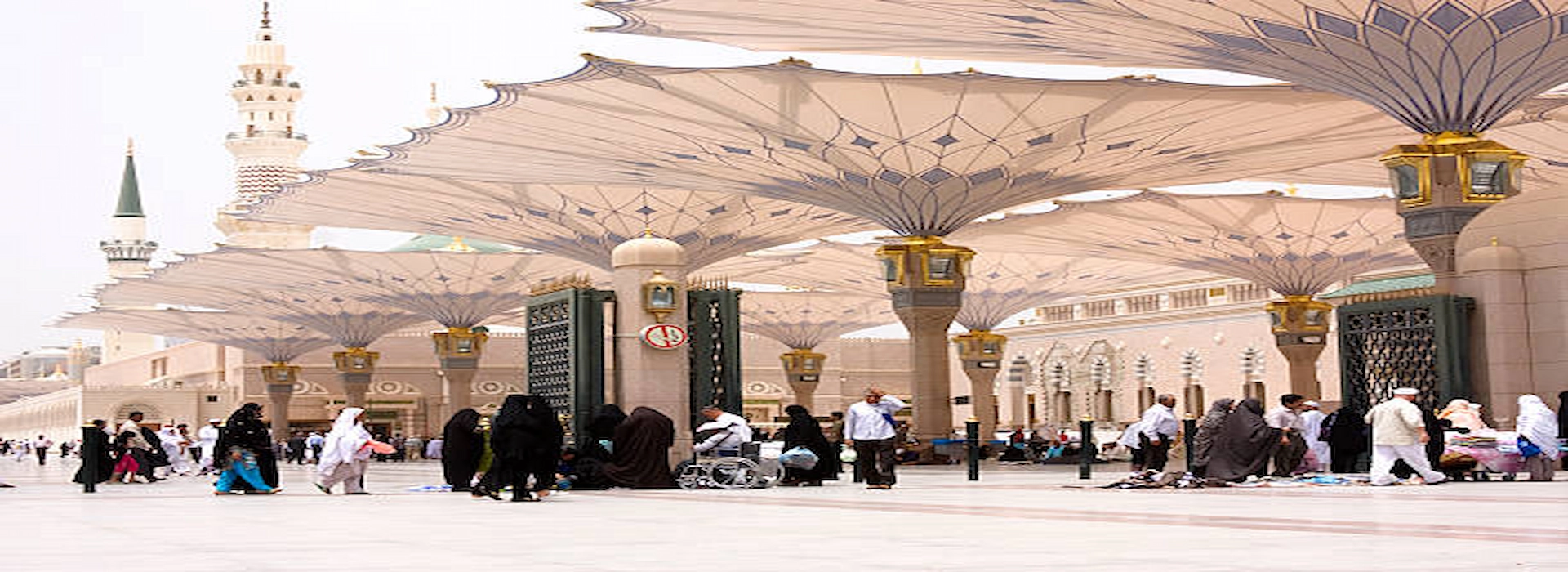
Performing Umrah is a deeply spiritual act, and choosing the right time of day for Performing Each Umrah Ritual can elevate your experience and reduce physical stress. Pilgrims, especially first-time travelers, often wonder when Tawaf, Sa’i, or prayers inside Masjid al-Haram feel most peaceful. In this guide, you’ll learn the ideal timings for every ritual so you can plan your journey wisely. In the introduction, we also acknowledge that many pilgrims choose the umrah best package to ensure comfort and smooth planning.
Why Timing Matters for a Peaceful Umrah
For many pilgrims, Performing Each Umrah Ritual at the right time can dramatically impact comfort, devotion, and energy levels. Makkah is busy throughout the year, and certain times of the day witness large crowds and higher temperatures—especially during peak seasons. That’s why understanding the best timing for Tawaf, Sa’i, shaving/cutting hair, and prayers can help you complete your pilgrimage with ease and focus.
Choosing the umrah best package not only supports your convenience but also gives you access to expert guidance, transportation, and scheduling assistance, ensuring your rituals align with spiritual peak moments. Companies like Mohamed Al Tenaiji Travels often help travelers plan ideal timings for rituals based on crowd patterns.
This blog breaks down each component of Umrah and explores the optimal time of day for completing them with devotion and serenity.
Understanding the Umrah Rituals and Their Timing Importance
Before discussing the best times, it’s helpful to revisit what the Umrah rituals are. The pilgrimage consists of four essential acts:
Ihram – Entering the sacred state of purity and intention.
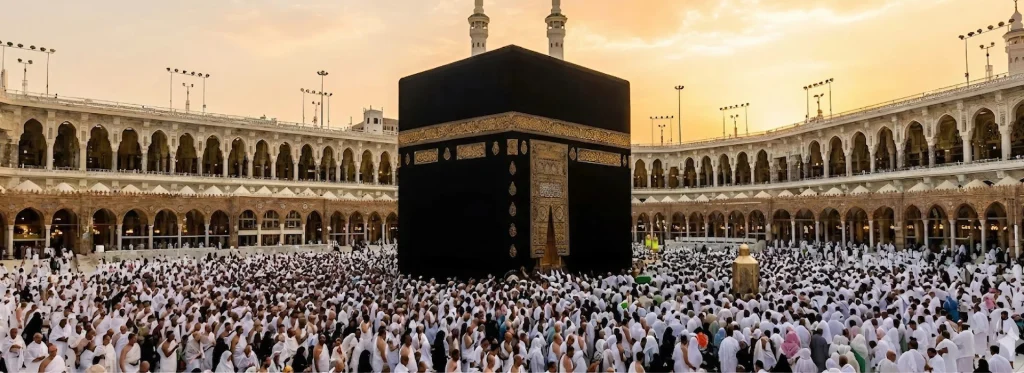
Tawaf – Circling the Kaaba seven times.
Sa’i – Walking between Safa and Marwah seven times.
Tahallul – Shaving or trimming the hair to exit Ihram.
Though these rituals can be performed at any time of the day, certain periods offer a more peaceful, less crowded, and spiritually immersive environment.
Best Times of Day for Performing Each Umrah Ritual
Best Time of Day to Enter Ihram
Ihram marks the beginning of your Umrah, and pilgrims usually enter it before reaching the Miqat—either at home, airport, or during travel.
Ideal Timing for Ihram Preparation
Early morning (before Fajr or after Fajr)
This is the most recommended time to enter Ihram because:Your body and mind are fresh.
Crowds are minimal.
You avoid midday heat if traveling from outside Makkah.
Late night
Ideal for pilgrims who prefer calm preparation without the rush of peak travel hours.
Since Ihram includes bathing, wearing white garments, and making niyyah (intention), selecting a peaceful time helps you begin Umrah with full attention and tranquility.
Best Time of Day for Performing Tawaf
Tawaf is the heart of Umrah, and timing plays a major role in your comfort and concentration.
Best Time for Tawaf – Early Morning (Before Sunrise)
The pre-sunrise hours are widely considered the most serene for Tawaf. Benefits include:
Fewer crowds, especially outside Ramadan or Friday.
Cooler weather.
Peaceful ambience ideal for dua.
Why After Isha Is Also a Good Option
The time between Isha and midnight offers a quieter atmosphere:
Many pilgrims rest after Isha, reducing crowd density.
Temperatures drop significantly.
This period is especially helpful for elderly travelers or those sensitive to heat.
Times to Avoid for Tawaf
Between Dhuhr and Asr – Peak heat and heavier crowds.
Fridays – Largest weekly gathering; Masjid al-Haram becomes extremely packed.
Understanding this pattern ensures Performing Each Umrah Ritual feels smoother and spiritually fulfilling.
Best Time of Day for Performing Sa’i Between Safa and Marwah
Sa’i can be physically demanding, especially for first-time pilgrims. Planning the right hour ensures a calm and energized journey.
Early Morning for a Fresh Start
Performing Sa’i right after completing Tawaf at dawn is ideal because:
Energy levels are higher.
AC inside the Sa’i area keeps the path cool.
Crowds are manageable.
Late Evening Sa’i for Comfortable Walking
If you choose not to perform Sa’i immediately after Tawaf, after Maghrib or after Isha is another excellent option:
The heat outside is gone.
The marble floors are cool and comfortable.
Pilgrims walking at a slower pace create a relaxed environment.
Times to Avoid for Sa’i
Afternoon hours (Dhuhr–Asr)
Even though the Sa’i area is indoors and air-conditioned, the rush is typically higher during these times.
Best Time of Day for Shaving or Trimming Hair (Tahallul)
Tahallul completes your Umrah journey and releases you from Ihram.
Evening Hours for Quick Service
Barber shops around Masjid al-Haram are busiest after peak prayer times. For faster service:
Choose late night, between Isha and midnight.
Or early morning, after Fajr but before the crowds increase.
Avoid the hours right after major prayers, especially Jumu’ah.
Timing for Women
Women only need to trim a fingertip-length portion of hair. This can be done:
At the hotel room.
At any time of day after Sa’i is completed.
Suggested Complete Day Plan for Performing Each Umrah Ritual Smoothly
Here is a sample timing plan for a calm, optimized Umrah experience:
Step-by-Step Timing Guide
Ihram – Enter before Fajr at Miqat or early morning.
Tawaf – Perform between 4:30 AM – 6:00 AM for a peaceful atmosphere.
Sa’i – Begin immediately after Tawaf or after Maghrib/Isha for cooler temperatures.
Tahallul – Visit a barber between 10 PM – midnight for quick service.
This schedule combines ideal crowd conditions, lower temperatures, and spiritual calm.
Why Your Comfort Level Affects the Best Timing
Choosing the best time to perform rituals is not only about crowd avoidance—it’s also about your physical well-being.
Factors Pilgrims Should Consider
Age and stamina level
Season of travel (summer vs winter)
Health conditions
Weather forecasts
Masjid al-Haram crowd trends
When pilgrims account for these elements, Performing Each Umrah Ritual becomes easier, safer, and more spiritually meaningful.
Tips for Choosing the Best Time of Day for Umrah Rituals
Stay Hydrated Before and After Rituals
Especially if traveling in summer, dehydration can occur quickly.
Monitor Live Crowd Updates
Masjid al-Haram provides real-time crowd visuals through various apps and online platforms.
Keep Flexible with Your Schedule
Allow time for rest between rituals.
Travel Packages Can Help
Travel agencies often advise you on the best times based on current crowd patterns and weather, making your journey more manageable.
Conclusion
Choosing the best times of day for Performing Each Umrah Ritual plays a major role in creating a peaceful and stress-free pilgrimage. Early mornings and late nights consistently offer the quietest and coolest conditions, making Tawaf, Sa’i, and Tahallul significantly easier to perform. With the right planning and guidance—especially when booking the umrah best package—you can complete your Umrah with comfort, devotion, and clarity.
For many pilgrims, working with trusted travel service providers like Mohamed Al Tenaiji Travels ensures scheduling, planning, and spiritual convenience throughout the journey. Ultimately, the right timing enhances both the emotional and spiritual fulfillment of your pilgrimage.
FAQs: Best Times for Performing Each Umrah Ritual
1. What is the best time of day to start Umrah?
Early morning—before or after Fajr—is best for entering Ihram and beginning your rituals due to minimal crowds and cooler temperatures.
2. When is Tawaf least crowded?
Just before sunrise and after Isha until midnight offer the most peaceful Tawaf experience.
3. Can I perform Sa’i at any time of day?
Yes, but early mornings or late evenings are recommended for reduced crowding and cooler conditions.
4. What time is best for shaving or trimming hair?
Late night hours (10 PM – midnight) are ideal because barber shops are less crowded.
5. Do the best times change during Ramadan or Hajj season?
Yes, peak seasons bring heavier crowds, so extremely early mornings and very late nights become even more essential.
Newsletter
Recent Blogs
-
 How Do Travelers Choose the Best Umrah Support Services?23 Jan 2026
 -
 What UAE Pilgrims Should Know About Hotel Location Before Booking22 Jan 2026
 -
 How to Organize a Last-Minute Umrah Trip From Abu Dhabi22 Jan 2026
 -
 How UAE Parents Can Prepare Teenagers for Their First Umrah21 Jan 2026
 -
 Best Strategies for UAE Pilgrims to Avoid Crowd Fatigue During Umrah21 Jan 2026
