

How Do You Choose the Right Time for Your Umrah Journey?
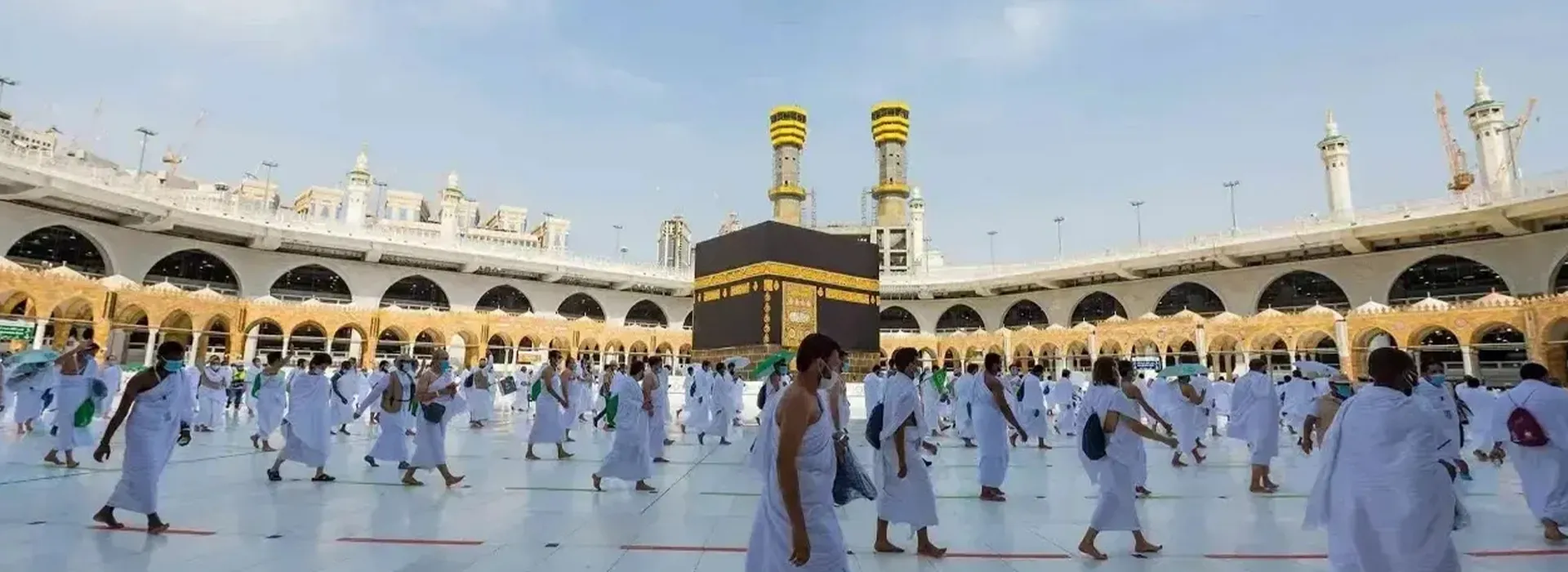
Planning a meaningful pilgrimage requires more than just intention it demands careful timing and preparation. Choosing the right time for Umrah journey can significantly influence your comfort, spiritual focus and overall experience. From climate conditions to crowd levels, every factor plays a role in shaping how smoothly your journey unfolds. With the support of reliable Umrah travel services, you can align your travel plans with the most suitable period for your needs.
Whether you are seeking a peaceful environment or wish to experience the spiritual energy of peak seasons, understanding timing is essential. By evaluating seasonal trends, costs, and personal preferences, you can ensure your pilgrimage is both fulfilling and comfortable, allowing you to focus fully on your spiritual goals without unnecessary challenges.
Best Time to Plan Your Umrah Journey for a Peaceful and Comfortable Experience
Why Timing Matters for Your Umrah Experience
Impact of crowd levels on your journey
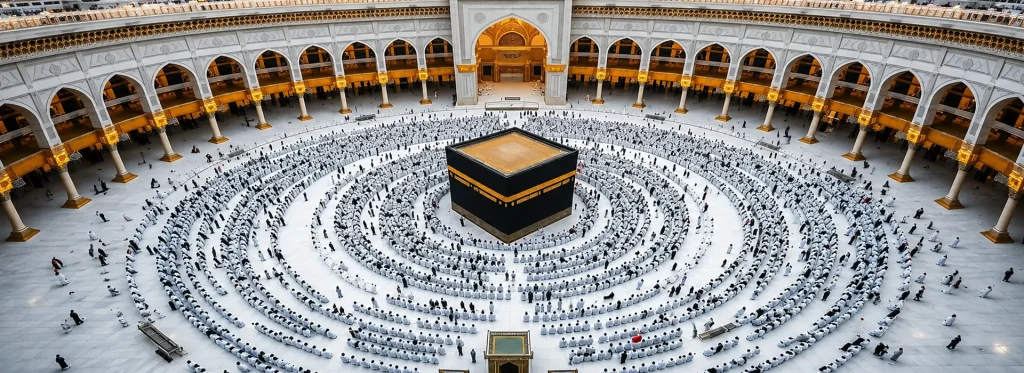
Crowd levels directly affect how easily you can perform rituals. During peak periods, large gatherings can make movement difficult and increase waiting times. In contrast, fewer crowds allow for a calmer and more focused experience. Proper timing helps reduce stress, improves accessibility, and ensures you can perform every ritual with greater comfort and concentration.
Weather conditions in Saudi Arabia
The climate varies greatly throughout the year, with extremely hot summers and mild winters. High temperatures can lead to fatigue and discomfort, especially during outdoor rituals. Choosing cooler months can improve your physical endurance and overall experience. Understanding seasonal weather patterns is essential for planning a comfortable and safe pilgrimage.
Cost variations across different seasons
Travel expenses change depending on demand. Peak seasons often bring higher prices for flights and accommodation, while off-peak months offer more affordable options. By selecting the right season, you can manage your budget effectively without compromising your experience, ensuring a balance between cost and comfort during your journey.
Best Months to Plan Your Umrah Trip
Peak season vs off-peak season explained
Peak seasons include major holidays and special months when many pilgrims travel, creating a vibrant yet crowded environment. Off-peak seasons offer fewer crowds, shorter waiting times, and lower costs. Deciding between these options depends on whether you prioritize a lively atmosphere or a peaceful and relaxed pilgrimage experience.
Traveling during Ramadan: pros and challenges
Traveling during Ramadan offers a deeply spiritual atmosphere and increased rewards, attracting millions of pilgrims. However, this period also comes with heavy crowds, higher costs and limited availability of services. Pilgrims must prepare for long queues and physical demands while enjoying the unique spiritual environment that makes this time special.
Winter months vs summer months comparison
Winter months provide cooler temperatures, making it easier to perform rituals without exhaustion. Summer months, although less expensive, can be extremely hot and physically demanding. Choosing between these seasons depends on your tolerance for heat and your preference for comfort versus budget-friendly travel options.
How Crowd Levels Affect Your Decision
When are the busiest times of the year?
The busiest times typically include Ramadan, school holidays, and periods close to Hajj. During these times, the number of pilgrims increases significantly, leading to crowded spaces and longer waiting times. Understanding these peak periods helps you decide whether you prefer a more energetic environment or a quieter, less crowded experience.
Best time for a peaceful and less crowded experience
If your goal is a calm and focused pilgrimage, traveling during off-peak months is ideal. Selecting the right time for Umrah journey during quieter periods allows you to perform rituals without rush or pressure. This approach enhances spiritual connection and ensures a more relaxed and meaningful overall experience.
Weekday vs weekend differences
Weekends and public holidays often see an increase in local visitors, making holy sites more crowded. Weekdays, especially early mornings, are usually less busy, offering better opportunities for uninterrupted worship. Planning your schedule wisely can help you avoid peak hours and enjoy a smoother pilgrimage experience.
Weather Guide for Planning Your Journey
What to expect in summer months
Summer temperatures can rise above 40°C, making outdoor rituals physically challenging. Pilgrims may experience dehydration and fatigue if not properly prepared. It is important to stay hydrated, wear appropriate clothing, and plan activities during cooler hours to manage the heat effectively and maintain energy levels throughout the journey.
Is winter a better time for comfort?
Winter offers milder temperatures, making it easier to perform rituals without physical strain. This season is particularly suitable for families and older travelers. The pleasant weather allows for longer periods of worship and reduces the risk of exhaustion, making winter one of the most comfortable times for Umrah.
How climate impacts your rituals
Climate conditions play a major role in your ability to complete rituals comfortably. Extreme heat can lead to fatigue, while cooler weather supports better endurance. Choosing the right season ensures that you remain physically capable and mentally focused, allowing you to fully engage in your spiritual practices.
Budget Considerations When Choosing Travel Time
When are flights and hotels most expensive?
Prices for flights and accommodations increase significantly during peak seasons such as Ramadan and major holidays. High demand leads to limited availability and higher costs. Booking early during these periods is essential, or alternatively, choosing less busy times can help you avoid excessive expenses.
How to save money by choosing the right season
Traveling during off-peak months is one of the most effective ways to reduce costs. Lower demand results in better deals on flights and hotels. Flexible travel dates and early planning can further help you save money while still enjoying a comfortable and fulfilling pilgrimage experience.
Group travel vs solo travel cost timing
Group travel packages often provide better value during busy seasons, as costs are shared among travelers. Solo travelers may benefit more during off-peak months when prices are lower. Understanding these differences helps you choose the most cost-effective option based on your travel style and preferred timing.
Choosing the Right Time Based on Your Situation
Best time for families with children
Families often prefer traveling during school holidays for convenience, but this can mean dealing with larger crowds. Choosing less busy weeks within these periods can provide a better balance. Planning carefully ensures children remain comfortable and the entire family can enjoy a smoother and more organized journey.
Ideal months for elderly travelers
Older travelers benefit from cooler temperatures and fewer crowds. Winter months are generally the best choice, as they reduce physical strain and make movement easier. Avoiding peak seasons also minimizes stress, ensuring a safer and more comfortable experience for elderly pilgrims.
When working professionals should plan their trip
Working professionals often plan their trips around limited leave periods. Combining public holidays with off-peak travel times can help maximize their experience. Careful scheduling allows them to enjoy a peaceful pilgrimage without major disruptions to their professional responsibilities.
Smart Tips to Finalize Your Travel Timing
Booking in advance vs last-minute planning
Booking in advance ensures better availability, lower prices, and more accommodation options. Last-minute planning can lead to higher costs and limited choices. Early preparation provides peace of mind and allows you to focus on your spiritual journey without unnecessary stress or complications.
Aligning your schedule with less crowded periods
Carefully selecting travel dates that avoid peak seasons can greatly enhance your experience. Fewer crowds mean easier movement and more time for worship. This approach allows you to perform rituals calmly and enjoy a more fulfilling and organized pilgrimage.
Checking official travel updates and requirements
Travel regulations and requirements may change, so staying informed is essential. Checking official updates ensures you are prepared with the necessary documents and guidelines. This helps avoid unexpected issues and ensures a smooth and hassle-free travel experience.
Common Mistakes to Avoid When Selecting Travel Time
Ignoring weather conditions
Many travelers overlook the importance of weather when planning their trip. Extreme temperatures can make the journey uncomfortable and physically demanding. Considering climate conditions in advance helps you choose a suitable time and ensures a safer and more enjoyable experience.
Traveling during peak rush without preparation
Traveling during busy periods without proper planning can lead to stress and inconvenience. Crowded spaces, long waiting times and limited services can affect your experience. Proper preparation, including early bookings and scheduling, can help you manage these challenges effectively.
Not considering personal health and stamina
Your physical condition plays a key role in determining the best time to travel. Ignoring health factors can lead to exhaustion and discomfort. Choosing a suitable season based on your stamina ensures that you can complete your pilgrimage comfortably and without unnecessary strain.
Frequently Asked Qustions
Months outside major holidays and peak seasons, such as mid-year periods, usually have fewer crowds and offer a more peaceful experience.
Ramadan offers a unique spiritual atmosphere but comes with heavy crowds, while traveling outside Ramadan provides more comfort and less congestion.
Planning your trip at least two to three months in advance helps secure better prices and ensures smoother travel arrangements.
Winter is generally the most comfortable season due to cooler temperatures, making it easier to perform rituals without physical strain.
Yes, traveling during off-peak months usually results in lower costs for flights and accommodations, making it more budget-friendly.
Yes, Umrah can be performed throughout the year, except during specific restricted days associated with the Hajj period.
Conclusion
Choosing the right time for Umrah journey is essential for creating a comfortable and spiritually fulfilling experience. By considering factors such as weather, crowd levels and budget you can plan a trip that aligns perfectly with your needs. Thoughtful timing allows you to focus more on your purpose and less on external challenges.
Ultimately, selecting the right time for Umrah journey depends on your personal preferences, schedule and physical readiness. Whether you choose a peaceful off-peak period or a spiritually vibrant season, proper planning ensures your pilgrimage becomes a memorable and rewarding experience.
Newsletter
Recent Blogs
-
 How Proper Umrah Preparation Improves the Pilgrimage Experience15 Jun 2026
 -
 Understanding Quad, Triple, and Double Sharing in Umrah Packages13 Jun 2026
 -
 Hidden Costs Pilgrims Should Know Before Booking Umrah by Bus12 Jun 2026
 -
 What Pilgrims Should Consider When Choosing Umrah Travel Dates11 Jun 2026
 -
 Why Travelers Prefer Customized Umrah Packages Over Standard Packages10 Jun 2026
