

Must-Visit Spiritual Places During Your Hajj and Umrah Trip
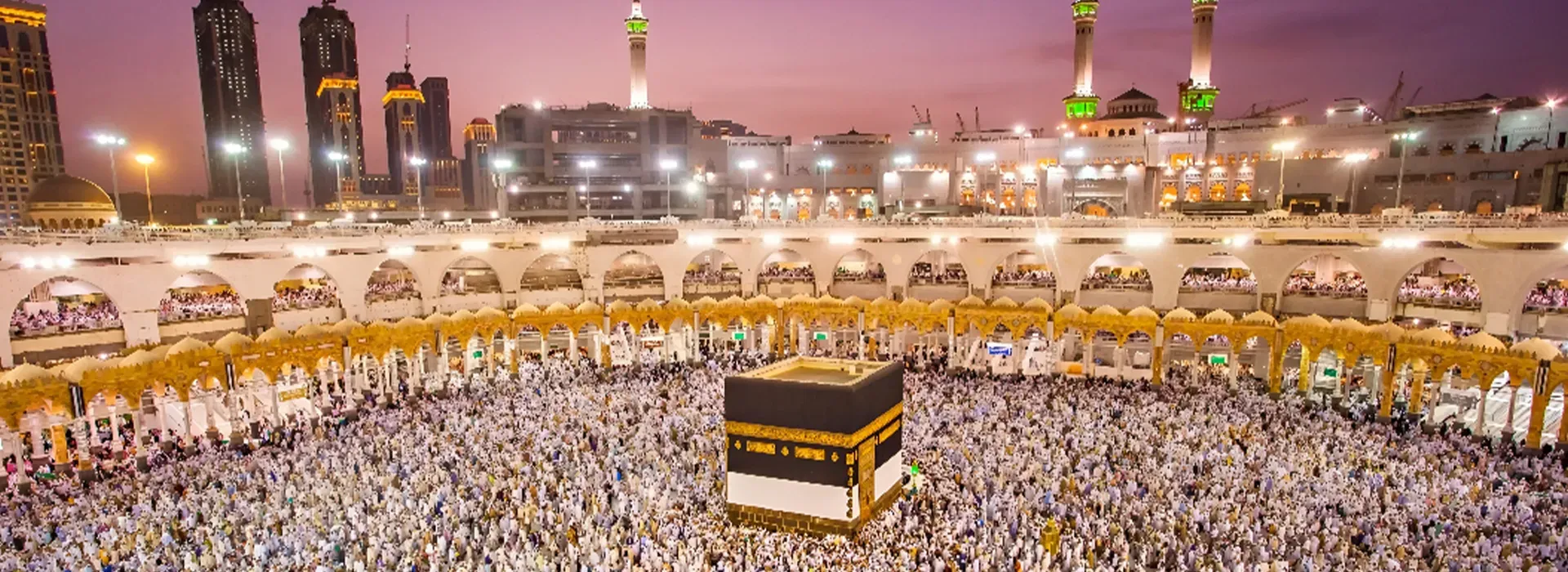
Every Muslim dreams of visiting the holy cities of Makkah and Madinah to experience the spiritual beauty and blessings connected with Islam’s most sacred places. The journey becomes even more memorable when pilgrims explore the Must-Visit Spiritual Places During Hajj and Umrah that hold deep religious and historical importance. From the Holy Kaaba to the peaceful Rawdah Shareef, every location strengthens faith and creates unforgettable spiritual memories.
Today, many pilgrims choose Luxury Umrah packages from UAE to enjoy a comfortable and organized pilgrimage experience while visiting important Islamic landmarks with ease. These guided journeys help travelers understand the significance of each sacred site while focusing on worship, prayers, and spiritual reflection. Visiting these blessed places allows pilgrims to connect deeply with Islamic history and increase their devotion during Hajj and Umrah.
Importance of Visiting Sacred Islamic Sites
- Sacred Islamic sites help pilgrims understand the history of Islam closely.
- Visiting holy places strengthens faith and spiritual connection with Allah.
- These sites remind Muslims about the sacrifices of prophets and companions.
- Pilgrims gain peace and emotional satisfaction through religious visits.
- Historical landmarks help believers reflect on important Islamic events.
- Visiting these places increases knowledge about Islamic teachings and traditions.
How Spiritual Visits Enhance the Pilgrimage Experience
- Spiritual visits make the pilgrimage journey more meaningful and memorable.
- Pilgrims experience inner peace while praying at sacred locations.
- Visiting holy landmarks creates stronger emotional attachment to Islam.
- These visits inspire gratitude, patience, and humility among pilgrims.
- Pilgrims learn valuable lessons from Islamic history and sacrifices.
- Exploring sacred places encourages sincere worship and deeper reflection.
Explore the Most Sacred and Spiritual Islamic Landmarks During Your Hajj and Umrah Journey
Sacred Places to Visit in Makkah
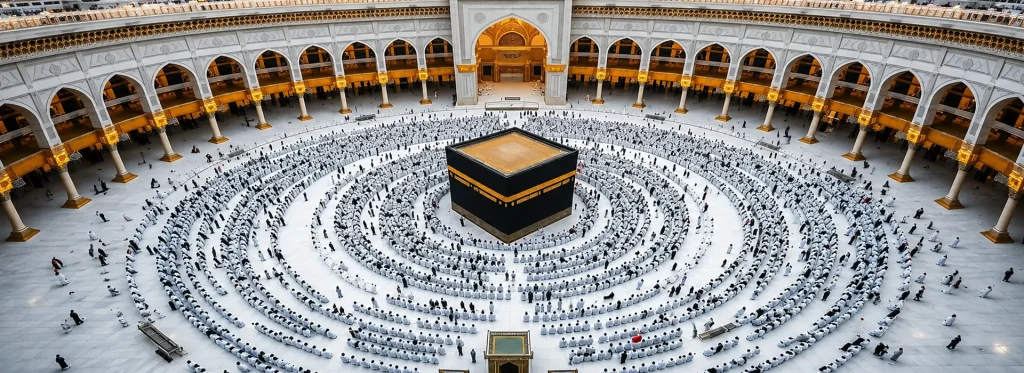
Masjid al-Haram and the Holy Kaaba
Masjid al-Haram is the holiest mosque in Islam and surrounds the Holy Kaaba, the direction of prayer for Muslims worldwide. Among the Must-Visit Spiritual Places During Hajj and Umrah, this sacred site allows pilgrims to perform Tawaf, offer prayers, and seek blessings while experiencing deep spiritual peace, faith, and connection with Allah.
Jabal al-Noor and Cave Hira
Jabal al-Noor is a famous mountain in Makkah that houses the Cave Hira, where Prophet Muhammad (PBUH) received the first revelation of the Holy Quran. Pilgrims visit this mountain to reflect on the beginning of Islam and the Prophet’s spiritual journey. The peaceful surroundings inspire believers to connect deeply with their faith and devotion.
Jabal Thawr and Its Historical Importance
Jabal Thawr holds historical importance because Prophet Muhammad (PBUH) and Abu Bakr (RA) sought refuge in its cave during their migration to Madinah. This mountain symbolizes patience, trust in Allah, and sacrifice during difficult times. Pilgrims visiting this sacred place remember the hardships faced during the early days of Islam and gain spiritual inspiration.
Mina, Muzdalifah, and Arafat During Hajj
Mina, Muzdalifah, and Arafat are among the most significant sites visited during Hajj rituals. Pilgrims gather in Arafat for prayers and forgiveness, spend the night in Muzdalifah and perform symbolic stoning in Mina. These places represent obedience, unity, sacrifice, and devotion, making them spiritually important landmarks during the pilgrimage journey.
Zamzam Well and Its Spiritual Significance
The Zamzam Well is one of the most blessed water sources in Islam and is closely connected with the story of Hajra and Prophet Ismail (AS). Pilgrims drink Zamzam water while making prayers for health, blessings, and forgiveness. The sacred well reminds believers about Allah’s mercy and miraculous support during times of hardship and struggle.
Important Spiritual Sites in Madinah
Al-Masjid an-Nabawi
Al-Masjid an-Nabawi is the second holiest mosque in Islam and was established by Prophet Muhammad (PBUH) in Madinah. Pilgrims visit this beautiful mosque to offer prayers and experience spiritual peace. The mosque’s calm atmosphere allows believers to strengthen their connection with Islam while honoring the life and teachings of the Prophet.
Rawdah Shareef and Its Virtues
Rawdah Shareef is one of the most sacred areas inside Al-Masjid an-Nabawi and is described as a garden from Paradise. Pilgrims try to offer prayers in this blessed area because of its immense spiritual rewards. Visiting Rawdah creates emotional satisfaction and allows believers to experience closeness to the Prophet Muhammad (PBUH).
Quba Mosque – The First Mosque in Islam
Quba Mosque is known as the first mosque built in Islamic history and holds special significance for Muslims worldwide. Prophet Muhammad (PBUH) personally participated in its construction after arriving in Madinah. Pilgrims visit Quba Mosque to offer prayers and gain blessings, as praying here carries great spiritual rewards according to Islamic traditions.
Qiblatain Mosque and the Change of Qibla
Qiblatain Mosque is historically important because it is where the direction of prayer changed from Jerusalem to the Holy Kaaba in Makkah. This important event strengthened the identity of the Muslim community. Pilgrims visiting this mosque learn about a major turning point in Islamic history and reflect on Allah’s guidance and wisdom.
Jannat al-Baqi Cemetery
Jannat al-Baqi is a historic cemetery in Madinah where many companions of Prophet Muhammad (PBUH), family members, and respected Islamic personalities are buried. Pilgrims visit this sacred cemetery to offer prayers and remember the contributions of early Muslims. The site encourages reflection on faith, sacrifice, humility, and the temporary nature of worldly life.
Historical Islamic Landmarks Worth Visiting
Battle of Uhud Site
The Battle of Uhud site is one of the most important historical places in Madinah connected with Islamic history. Pilgrims visit this area to remember the bravery and sacrifices of the companions who fought alongside Prophet Muhammad (PBUH). The site teaches valuable lessons about patience, discipline, unity, and trust in Allah during difficult situations.
Mount Uhud and Its Importance in Islamic History
Mount Uhud is closely connected with the famous Battle of Uhud and holds emotional significance for Muslims worldwide. Prophet Muhammad (PBUH) expressed love for this mountain, making it spiritually respected among believers. Pilgrims visiting Mount Uhud reflect on the sacrifices of martyrs and gain inspiration from the courage shown during early Islamic struggles.
Seven Mosques Area
The Seven Mosques area in Madinah includes several small mosques connected with the Battle of the Trench. These mosques represent important moments from Islamic history and the unity of Muslims during challenging times. Pilgrims visiting this area gain a deeper understanding of Islamic heritage while appreciating the sacrifices made to protect the Muslim community.
Tips for Visiting Religious Sites During Umrah and Hajj
Best Times to Visit Sacred Places
Pilgrims should visit sacred places during less crowded hours for a peaceful spiritual experience. Early mornings and late evenings are usually more comfortable for worship and reflection. Visiting during cooler times also helps pilgrims avoid exhaustion, especially during summer months. Proper planning allows travelers to perform prayers and religious activities calmly and comfortably.
Respectful Behavior and Islamic Etiquette
Pilgrims should maintain respectful behavior while visiting sacred Islamic places. Speaking softly, dressing modestly, and avoiding unnecessary arguments are important parts of Islamic etiquette. Visitors should focus on worship, prayers, and remembrance of Allah while respecting fellow pilgrims. Maintaining cleanliness and following local religious guidelines also helps create a peaceful spiritual environment.
Travel and Transportation Tips for Pilgrims
- Use organized transportation services to travel safely between holy sites.
- Carry essential items like water, prayer mats, and identification documents.
- Follow official travel schedules to avoid delays and heavy crowds.
- Wear comfortable footwear suitable for long walking distances.
- Stay connected with group leaders during guided tours and travel activities.
- Keep emergency contact details and hotel information easily accessible.
How Guided Umrah Packages Help Pilgrims Explore Spiritual Places
Benefits of Choosing Organized Religious Tours
- Organized tours reduce travel stress and improve pilgrimage comfort.
- Pilgrims receive proper guidance about important Islamic landmarks.
- Group travel ensures better safety and easier transportation arrangements.
- Guided tours save time through planned schedules and organized visits.
- Pilgrims gain deeper understanding of Islamic history and traditions.
- Experienced tour services help travelers focus more on worship and spirituality.
Importance of Experienced Umrah Guides
- Experienced guides explain the religious importance of sacred locations clearly.
- Guides help pilgrims perform rituals correctly according to Islamic teachings.
- Professional support makes the pilgrimage journey smoother and stress-free.
- Guides assist travelers with schedules, directions, and local arrangements.
- Knowledgeable guides share historical facts that enhance spiritual understanding.
- Pilgrims feel more confident and comfortable during their religious journey.
Frequently Asked Questions
Pilgrims should visit Masjid al-Haram, the Holy Kaaba, Zamzam Well, Cave Hira and Al-Masjid an-Nabawi during Umrah.
Visiting historical Islamic sites is not compulsory but greatly enhances spiritual understanding and connection with Islamic history.
Jabal al-Noor contains Cave Hira, where Prophet Muhammad (PBUH) received the first revelation of the Holy Quran.
Yes, many pilgrims visit Madinah after Umrah to pray at Al-Masjid an-Nabawi and explore sacred Islamic landmarks.
Quba Mosque in Madinah is considered the first mosque built in Islamic history.
Yes, many organized Umrah and Hajj packages include guided tours to important religious and historical sites.
Conclusion
Visiting the holy cities of Makkah and Madinah is a life-changing spiritual experience for every Muslim. Exploring the Must-Visit Spiritual Places During Hajj and Umrah allows pilgrims to connect deeply with Islamic history, strengthen their faith, and experience inner peace through worship and reflection. Every sacred site carries valuable lessons about sacrifice, devotion, patience, and trust in Allah.
From the Holy Kaaba and Zamzam Well to Rawdah Shareef and Mount Uhud, each landmark adds spiritual meaning to the pilgrimage journey. Proper planning, respectful behavior, and guided religious tours help pilgrims make the most of their sacred experience. These blessed visits not only create unforgettable memories but also inspire believers to continue living with stronger faith, gratitude and devotion long after returning home.
Newsletter
Recent Blogs
-
 How Proper Umrah Preparation Improves the Pilgrimage Experience15 Jun 2026
 -
 Understanding Quad, Triple, and Double Sharing in Umrah Packages13 Jun 2026
 -
 Hidden Costs Pilgrims Should Know Before Booking Umrah by Bus12 Jun 2026
 -
 What Pilgrims Should Consider When Choosing Umrah Travel Dates11 Jun 2026
 -
 Why Travelers Prefer Customized Umrah Packages Over Standard Packages10 Jun 2026
