

How pilgrims manage fasting and Umrah rituals in Ramadan
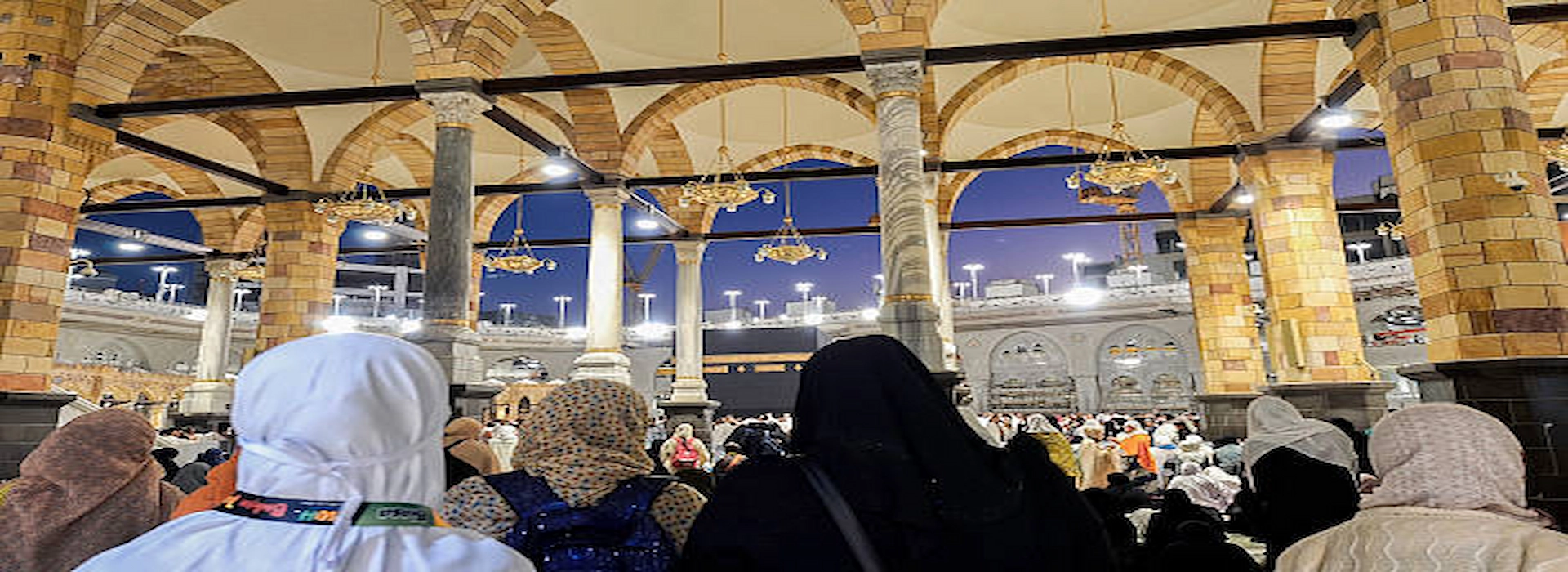
Ramadan in Makkah is a dream stitched with devotion, patience, and quiet miracles. For millions of Muslims, performing Umrah rituals in Ramadan is not just a journey—it’s an emotional homecoming of the soul. Fasting from dawn to sunset while completing sacred rites may sound challenging, but pilgrims across ages and backgrounds manage it beautifully with faith, planning, and heartfelt intention.
Many families even choose an Umrah Trip by bus to travel together comfortably and affordably, turning the journey into shared worship from the very first mile. In this guide, we’ll walk you through how pilgrims successfully balance fasting and Umrah, what makes Ramadan Umrah special, and practical tips to help you (and your family) experience it with peace, strength, and joy.
Why Umrah Rituals in Ramadan Are Spiritually Unique
Performing Umrah at any time is rewarding—but Ramadan multiplies its spiritual impact. Many pilgrims describe the atmosphere as electric yet calm, where every dua feels closer to acceptance.
Special Rewards and Emotional Connection
Performing Umrah in Ramadan carries rewards similar to Hajj (as mentioned in authentic Hadith, though it does not replace Hajj)
Taraweeh prayers in Masjid al-Haram create an unmatched spiritual energy
The sense of unity—people from every culture fasting, praying, and breaking fast together
For families, this becomes a powerful teaching moment—children witness patience, discipline, and devotion in real life.
Preparing Mind and Body for Umrah Rituals in Ramadan
Fasting while walking long distances and performing rites requires preparation—but it’s very manageable.
Physical Preparation Before Travel
Pilgrims often prepare weeks in advance:
Gradually adjust meal timings to Suhoor and Iftar
Increase daily walking to build stamina
Stay hydrated and reduce caffeine intake before Ramadan
Travel partners like Mohamed Al Tenaiji Travels often guide pilgrims with pre-Umrah preparation tips, especially for elderly travelers and families with children.
Mental & Emotional Readiness
Set realistic expectations—crowds are part of Ramadan
Focus on intention (niyyah) over physical comfort
Practice patience as a form of worship
How Pilgrims Perform Umrah Rituals in Ramadan While Fasting
Yes—it’s absolutely possible, and millions do it every year.
Timing Is Everything
Most pilgrims choose to perform Umrah:
Late night after Isha and Taraweeh
Early morning after Suhoor
These times are cooler and less physically draining.
Step-by-Step with Fasting
Ihram: Enter the state of Ihram while fasting—no issue at all
Tawaf: Pace yourself, take short pauses, make dhikr
Sa’i: Walk calmly between Safa and Marwah; Zamzam is available after breaking fast
Hair trimming/shaving: Complete after Iftar if you feel tired
Pilgrims often say the tiredness fades when intention is strong—the heart carries the body.
Managing Energy Levels During Ramadan Umrah
Energy management is key to enjoying Umrah rituals in Ramadan without exhaustion.
Smart Suhoor Choices
Choose foods that release energy slowly:
Oats, whole grains
Dates, bananas
Yogurt and nuts
Plenty of water
Iftar for Recovery
After breaking fast:
Start with dates and Zamzam
Light soup or fruits before heavy meals
Avoid overeating—it causes fatigue during Taraweeh
Many experienced travelers with Mohamed Al Tenaiji Travels recommend resting after Iftar before heading to the Haram for night rituals.
Family-Friendly Tips for Ramadan Umrah
Ramadan Umrah is increasingly popular with families—and for good reason.
Traveling with Children
Shorter Tawaf sessions spread over days
Encourage kids with stories of Prophet Ibrahim (AS) and Hajar (AS)
Let children rest during Sa’i if needed—wheelchairs are available
Elderly Pilgrims
Perform Umrah in cooler hours
Use wheelchairs or assistance services
Take medical advice before fasting if health conditions exist
Family Umrah builds bonds that last a lifetime—shared duas, shared patience, shared tears of gratitude.
Travel Planning Makes All the Difference
Good planning removes stress and allows focus on worship.
Accommodation Near Haram
Staying close reduces walking distance and energy loss—especially important while fasting.
Group & Bus Travel Advantages
Many pilgrims prefer group arrangements or an Umrah Trip by bus because:
Fixed prayer and rest schedules
Cost-effective for families
Less airport stress
Spiritual companionship throughout the journey
This type of travel also helps first-time pilgrims feel guided and supported.
Emotional Moments Only Ramadan Umrah Brings
There are moments pilgrims never forget:
Breaking fast with strangers who feel like family
Hearing the Adhan echo through Masjid al-Haram at Maghrib
Making dua in sujood with tears flowing freely
These are the moments where hardship turns into gratitude—and fasting feels light.
Common Challenges (and How Pilgrims Overcome Them)
Crowds
Accept it as part of the test
Choose off-peak times
Keep children close and agree on meeting points
Fatigue
Rest between rituals
Don’t rush—Umrah has no time limit
Remember: even resting with intention is rewarded
Final Thoughts on Umrah Rituals in Ramadan
Performing Umrah rituals in Ramadan is not about physical strength—it’s about surrender, patience, and trust in Allah. Fasting doesn’t weaken the journey; it deepens it. Every step feels purposeful, every breath a prayer. With thoughtful planning, supportive travel partners like Mohamed Al Tenaiji Travels, and a heart set on worship, Ramadan Umrah becomes one of the most transformative experiences of a lifetime—especially when shared with family. If your heart is leaning toward Makkah this Ramadan, know this: countless pilgrims before you have walked this path while fasting—and every one of them says the reward is beyond words.
Frequently Asked Questions
1. Can pilgrims perform Umrah while fasting in Ramadan?
Yes. Pilgrims regularly perform Umrah while fasting. Many choose cooler hours like late night or early morning to manage energy.
2. Is Umrah in Ramadan suitable for families with children?
Absolutely. With proper planning, rest, and flexible timing, families—including children—can comfortably perform Umrah in Ramadan.
3. What is the best time to perform Umrah during Ramadan?
Late night after Taraweeh or early morning after Suhoor are ideal due to cooler temperatures and manageable crowds.
4. How do elderly pilgrims manage fasting and Umrah rituals?
Elderly pilgrims often perform rituals at a slower pace, use wheelchairs, and consult doctors about fasting if needed.
5. Does performing Umrah in Ramadan replace Hajj?
No. While the reward is immense and equal in virtue, Umrah in Ramadan does not replace the obligation of Hajj.
Newsletter
Recent Blogs
-
 How Do Travelers Choose the Best Umrah Support Services?23 Jan 2026
 -
 What UAE Pilgrims Should Know About Hotel Location Before Booking22 Jan 2026
 -
 How to Organize a Last-Minute Umrah Trip From Abu Dhabi22 Jan 2026
 -
 How UAE Parents Can Prepare Teenagers for Their First Umrah21 Jan 2026
 -
 Best Strategies for UAE Pilgrims to Avoid Crowd Fatigue During Umrah21 Jan 2026
