

How Many Days Are Enough for Umrah in Ramadan?
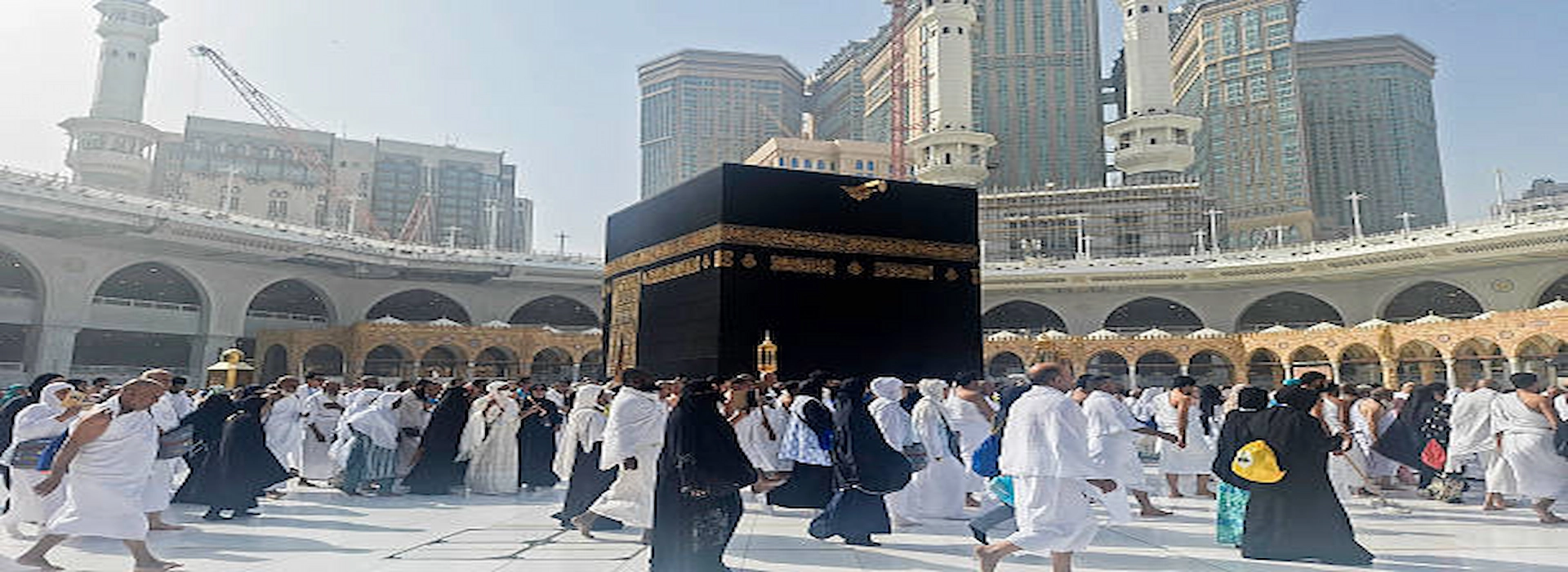
Umrah in Ramadan is a dream for millions of Muslims—a journey filled with deep spirituality, forgiveness, and the unmatched reward of worship during the holiest month of the Islamic calendar. But one of the most common questions families ask while planning is simple yet crucial: how many days are actually enough to perform Umrah in Ramadan comfortably and meaningfully?
If you’re planning this sacred journey, especially with family or elders, the length of stay can make the difference between a peaceful spiritual experience and a rushed, tiring one. In this guide, we’ll break down the ideal number of days for Umrah in Ramadan, explain different stay options, and help you choose what works best for your goals, budget, and travel style.
Why Umrah in Ramadan Feels So Special
Performing Umrah at any time of the year is a blessing, but Umrah in Ramadan holds a unique spiritual status. The Prophet Muhammad (ﷺ) said:
“Umrah in Ramadan is equivalent to Hajj with me.”
This doesn’t replace the obligation of Hajj, but the reward is immense. The atmosphere in Makkah and Madinah during Ramadan is unmatched—Taraweeh prayers, Quran recitation, shared iftars, and a sense of unity that touches the heart deeply.
Because of this spiritual significance, many pilgrims want enough time—not just to complete rituals—but to live the Ramadan experience fully.
The Short Answer: How Many Days Are Enough?
There’s no single “perfect” duration, but based on experience, pilgrim feedback, and travel logistics, 7 to 10 days is considered ideal for most people performing Umrah in Ramadan.
However, the right number of days depends on:
Your age and health
Whether you’re traveling with family or elders
Budget and accommodation distance
Whether you want time for extra prayers and rest
Travel mode (flight vs bus)
Let’s break it down clearly.
5–6 Days: Is It Enough for Umrah in Ramadan?
A 5 to 6-day Umrah in Ramadan plan is the minimum recommended duration.
Who is it suitable for?
Young and healthy individuals
Repeat Umrah performers
Those with tight schedules
Pilgrims focused mainly on rituals
What you can realistically do:
Perform Umrah rituals (Ihram, Tawaf, Sa’i, Halq/Qasr)
Pray a few obligatory prayers in Haram
Attend 1–2 Taraweeh or Qiyam prayers
Limitations:
Very tight schedule
Less rest due to Ramadan fasting
Limited time in Madinah (or none at all)
Can feel rushed, especially during peak Ramadan crowds
Verdict:
Possible—but not ideal if this is your first Umrah in Ramadan or if you’re traveling with family.
7–8 Days: The Most Balanced Option for Umrah in Ramadan
For most pilgrims, 7 to 8 days for Umrah in Ramadan offers the perfect balance between spirituality, comfort, and cost.
Why this duration works so well:
Enough time to perform Umrah calmly
Time to rest and recover while fasting
Multiple prayers in Masjid al-Haram
Opportunity to experience Taraweeh peacefully
Short but meaningful visit to Madinah
Ideal breakdown:
Makkah: 4–5 days
Madinah: 2–3 days
This duration is especially popular with families choosing Mohamed Al Tenaiji Travels, as it allows pilgrims to focus on worship without exhaustion.
Verdict:
Best choice for first-time pilgrims
Ideal for families and senior travelers
Excellent spiritual-to-cost balance
10–12 Days: A Deeply Spiritual Umrah in Ramadan Experience
If your goal is complete spiritual immersion, then 10 to 12 days for Umrah in Ramadan is truly special.
Who should choose this?
Families traveling with elders
Pilgrims seeking slow, reflective worship
Those wanting maximum Haram prayer time
First-time visitors who don’t want to rush
What you gain:
Relaxed Umrah rituals
Time for multiple Umrahs (if desired)
Consistent Taraweeh and Tahajjud
Quran recitation and learning sessions
Extended stay in Madinah near the Prophet’s Mosque
Pilgrims who choose longer stays often say they feel emotionally transformed—not rushed, not stressed, just spiritually fulfilled.
Verdict:
Best for spiritual depth
Ideal for elders and families
Higher cost but priceless experience
Travel Mode Matters: Bus vs Flight in Ramadan
Your mode of travel significantly affects how many days you should plan.
Many pilgrims opt for Umrah Travel by bus because it’s affordable, organized, and ideal for group or family journeys—especially from nearby regions. However, bus travel usually takes longer, so adding 1–2 extra days is strongly recommended to avoid fatigue and missed worship time.
With longer road journeys, rest days become essential, particularly during fasting hours.
Best Time Within Ramadan to Perform Umrah
Not all days of Ramadan feel the same.
Early Ramadan (Days 1–10)
Fewer crowds
Easier Tawaf and Sa’i
More hotel availability
Slightly lower prices
Mid Ramadan (Days 11–20)
Balanced crowd levels
Strong spiritual atmosphere
Ideal for families
Last 10 Nights
Maximum reward
Extremely crowded
Higher costs
Requires extra patience and stamina
If you’re planning a shorter Umrah in Ramadan, early or mid-Ramadan is often more comfortable.
How Many Days Are Enough for Families and Elderly Pilgrims?
For families and seniors, rushing can take away from the experience.
Recommended duration:
8–10 days minimum
Why?
Slower walking pace
Need for rest after fasting
Crowd management during peak prayer times
Health and hydration considerations
This is where trusted operators like Mohamed Al Tenaiji Travels play a key role—ensuring smooth logistics, nearby accommodations, and guided support throughout the journey.
Accommodation Distance Also Affects Duration
Hotels closer to Haram:
Save walking time
Reduce fatigue
Allow more flexible prayer schedules
Hotels farther away:
Require shuttle time
Increase physical strain
May need extra days to compensate
If your hotel isn’t within walking distance, consider adding 1 extra day to your Umrah in Ramadan plan.
Final Recommendation: So, How Many Days Are Enough?
Here’s a simple guide:
5–6 days: Very tight, only for experienced pilgrims
7–8 days: Ideal for most people
10–12 days: Best for families, elders, and deep spiritual seekers
If this is your first Umrah in Ramadan, don’t rush it. Give yourself time to pray, reflect, rest, and truly connect with Allah.
With proper planning and trusted guidance from Mohamed Al Tenaiji Travels, your journey can be smooth, meaningful, and unforgettable.
Conclusion: Choosing the Right Duration for Umrah in Ramadan
Choosing how many days are enough for Umrah in Ramadan isn’t just about schedules—it’s about honoring a once-in-a-lifetime spiritual opportunity. Whether you stay for a week or longer, the goal is peace of heart, ease of worship, and complete devotion. Plan wisely, travel comfortably, and allow yourself the time to experience Ramadan in the holy cities the way it deserves to be experienced.
May your Umrah be accepted and your Ramadan filled with blessings.
Frequently Asked Questions
1. Is 7 days enough for Umrah in Ramadan?
Yes, 7 days is considered ideal for most pilgrims, offering enough time for Umrah rituals, rest, and prayers without rushing.
2. What is the best duration for families performing Umrah in Ramadan?
Families should ideally plan for 8–10 days to allow comfort, rest, and smooth crowd management.
3. Does Umrah in Ramadan require more days than normal Umrah?
Yes. Due to fasting, heavy crowds, and night prayers, an extra 1–2 days is recommended compared to other months.
4. Is Umrah in Ramadan very crowded?
Yes, especially during the last 10 nights. Early and mid-Ramadan are relatively more manageable.
5. Can elderly pilgrims perform Umrah in Ramadan comfortably?
Yes, with proper planning, nearby accommodation, and enough days (at least 8–10), elderly pilgrims can perform Umrah comfortably.
Newsletter
Recent Blogs
-
 How Do Travelers Choose the Best Umrah Support Services?23 Jan 2026
 -
 What UAE Pilgrims Should Know About Hotel Location Before Booking22 Jan 2026
 -
 How to Organize a Last-Minute Umrah Trip From Abu Dhabi22 Jan 2026
 -
 How UAE Parents Can Prepare Teenagers for Their First Umrah21 Jan 2026
 -
 Best Strategies for UAE Pilgrims to Avoid Crowd Fatigue During Umrah21 Jan 2026
