

Best Time of Day to Perform Tawaf with Less Crowd
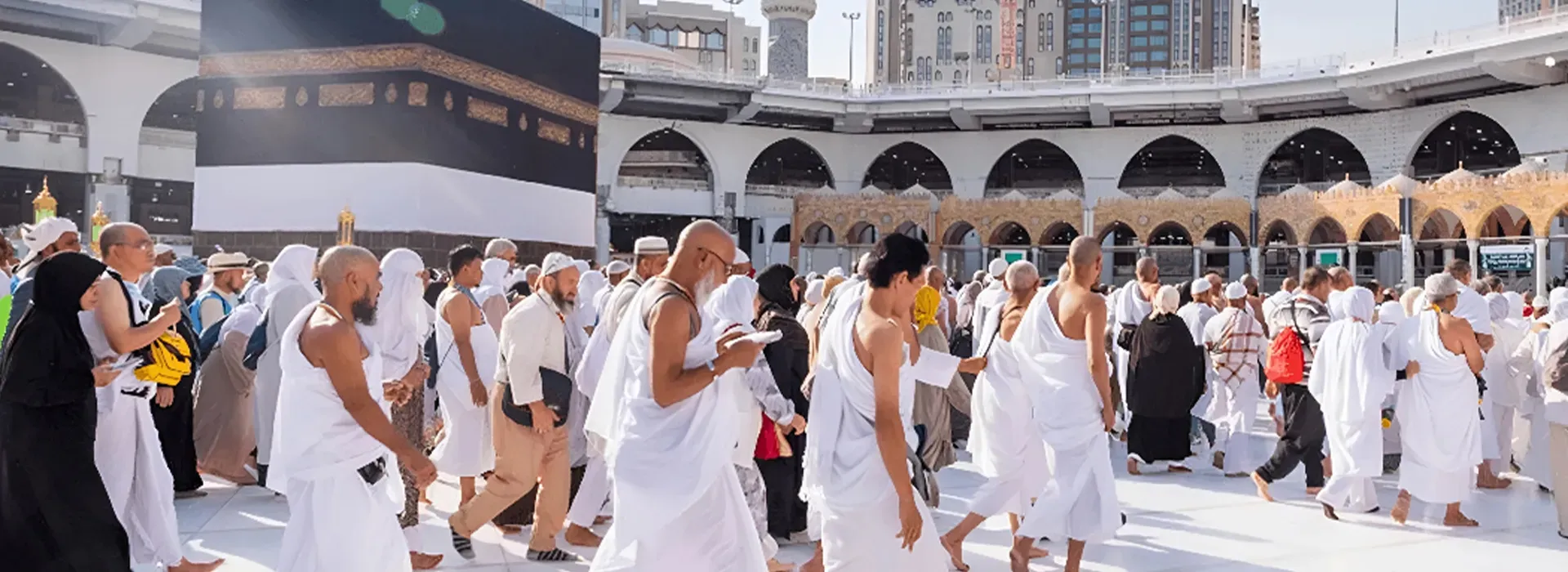
Planning your Umrah journey is an exciting and deeply spiritual experience, and every detail you consider can shape how meaningful your pilgrimage becomes. One of the most important aspects is choosing the Best Time for Tawaf, as it directly affects your comfort, focus, and ability to perform this sacred ritual peacefully. With thoughtful preparation and smart Umrah itinerary planning, you can avoid heavy crowds and enjoy a calm, spiritually uplifting Tawaf experience.
Many pilgrims often worry about large crowds around the Kaaba, especially during peak seasons or prayer hours. However, with the right timing strategy, you can experience moments of serenity even in a bustling environment. Understanding when to perform Tawaf not only improves your physical comfort but also allows you to connect more deeply with your prayers and intentions.
Best Time of Day to Perform Tawaf with Less Crowd for a Peaceful Umrah Experience
What Is Tawaf and Why Timing Matters
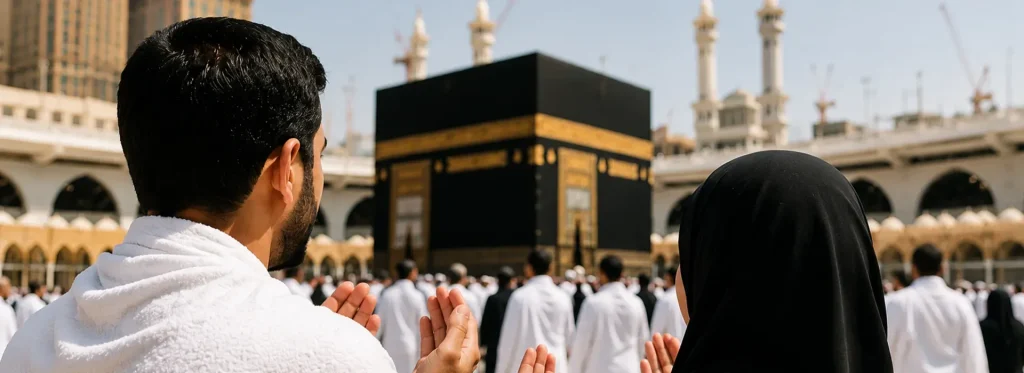
Tawaf is the ritual of circling the Kaaba seven times in a counter clockwise direction, symbolizing unity, devotion, and submission to Allah. It is a core part of Umrah and Hajj and holds immense spiritual significance for every pilgrim.
Timing plays a vital role in how smoothly Tawaf can be performed. During peak hours, the area becomes extremely crowded, making movement difficult and reducing focus. Choosing quieter times allows pilgrims to walk comfortably, maintain concentration, and complete the ritual with ease and devotion.
Who Should Consider the Best Time for Tawaf
- Elderly pilgrims: Older individuals often face difficulty navigating dense crowds, so choosing less crowded times ensures safety, comfort, and reduced physical strain during Tawaf.
- Families with children: Parents traveling with children benefit from less crowded timings, allowing easier movement, better supervision, and a more relaxed Tawaf experience.
- People with health concerns: Individuals with medical conditions need space and comfort, making off-peak hours essential for completing Tawaf without unnecessary stress or exhaustion.
- First-time pilgrims: Those unfamiliar with the environment can feel overwhelmed in crowds, so selecting quieter times helps them stay focused and confident.
- Women traveling alone: Less crowded periods provide a safer and more comfortable environment, helping women perform Tawaf with greater ease and peace of mind.
- Pilgrims seeking spiritual focus: Anyone looking for a deeper connection during Tawaf should choose calm hours to avoid distractions and enhance their prayer experience.
Best Time of Day to Perform Tawaf with Less Crowd
After Fajr prayer (early morning)
Early morning hours after Fajr are among the most peaceful times for Tawaf. Many pilgrims return to their accommodations, leaving the mosque less crowded. The cool temperature also makes walking comfortable, allowing you to perform each round calmly while focusing on prayers without distractions or physical discomfort.
Late night (midnight to 3 AM)
Late-night hours offer one of the quietest periods in Masjid al-Haram. Most pilgrims are resting, and the crowd significantly decreases. This time provides a serene environment ideal for reflection and uninterrupted worship, making it a preferred choice for those seeking tranquility during Tawaf.
Midday during non-peak seasons
During off-peak months, midday can sometimes be less crowded compared to evenings. Although the temperature can be high, the reduced number of pilgrims allows smoother movement. Pilgrims who can handle the heat may find this time suitable for completing Tawaf with fewer interruptions.
Between prayer intervals
Performing Tawaf between obligatory prayers, when many pilgrims are preparing or resting, can reduce crowd pressure. These short windows often provide manageable conditions, allowing you to complete rounds at a steady pace without being pushed or crowded by large groups gathering for congregational prayers.
Early Morning vs Late Night Tawaf: Which Is Better?
Early morning Tawaf offers a refreshing and comfortable experience, especially due to cooler temperatures and natural daylight. Pilgrims often feel energized after rest, making it easier to complete Tawaf smoothly while maintaining focus and physical comfort throughout the ritual.
Late-night Tawaf, on the other hand, is ideal for those seeking peace and minimal crowd levels. The calm atmosphere allows uninterrupted prayers and reflection. Although it may require adjusting your sleep schedule, the tranquility and spiritual depth experienced during these hours make it highly rewarding.
Best Time for Tawaf During Weekdays vs Weekends
Weekdays generally provide better opportunities for performing Tawaf with fewer crowds. Pilgrims from nearby regions often visit on weekends, increasing congestion in Masjid al-Haram. Choosing weekday mornings or late nights can significantly improve your overall experience.
Weekends, especially Fridays, tend to be much busier due to the importance of congregational prayers. If you must perform Tawaf during weekends, selecting late-night hours is the best option. Avoiding peak prayer times can help you manage the crowds more effectively and maintain comfort.
Seasonal Factors Affecting Tawaf Crowd Levels
Ramadan season
Ramadan is one of the busiest times in Makkah, especially during evenings and the last ten nights. Pilgrims gather in large numbers for prayers and Tawaf. While spiritually rewarding, the intense crowd requires patience, planning, and careful timing to perform Tawaf comfortably without excessive physical strain.
Hajj period
During the Hajj season, crowd levels reach their peak, making Tawaf extremely challenging. Movement becomes slower, and space is limited. Pilgrims must plan carefully, follow guidance, and remain patient, as completing Tawaf during this time requires extra effort and awareness of surroundings.
School holidays
Many families travel during school holidays, leading to an increase in the number of pilgrims. This results in higher crowd density throughout the day. Planning Tawaf during early morning or late-night hours during these periods can help avoid the busiest times and ensure a smoother experience.
Off-peak months
Months outside Ramadan and Hajj season usually have moderate crowd levels. These periods are ideal for pilgrims seeking a peaceful experience. With fewer visitors, it becomes easier to perform Tawaf comfortably, maintain focus, and complete the ritual without the stress of navigating heavy crowds.
Tips to Plan Your Umrah Travel Planning for Less Crowded Tawaf
- Choose nearby accommodation: Staying close to Masjid al-Haram allows quick access during off-peak hours, making it easier to perform Tawaf at ideal times.
- Observe crowd patterns: Spend time understanding daily crowd trends before performing Tawaf, helping you select the least crowded and most comfortable timing.
- Stay hydrated and rested: Proper rest and hydration improve stamina, ensuring you can perform Tawaf comfortably during quieter but physically demanding hours.
- Travel light: Carrying minimal items allows better mobility, helping you move freely and avoid discomfort in crowded or restricted spaces during Tawaf.
- Plan flexible schedules: Keeping your schedule adaptable allows you to take advantage of sudden low-crowd periods for a smoother Tawaf experience.
Common Mistakes to Avoid When Choosing Tawaf Timing
- Choosing peak prayer times: Performing Tawaf immediately after prayers leads to heavy crowding, making movement difficult and reducing overall comfort and focus.
- Ignoring seasonal variations: Not considering peak seasons like Ramadan or Hajj can result in unexpected crowd challenges and increased physical strain.
- Overestimating stamina: Attempting Tawaf during extreme heat or busy hours without proper preparation can lead to fatigue and discomfort.
- Following the crowd blindly: Many pilgrims follow others without planning, which often results in choosing the most crowded and inconvenient times.
- Lack of preparation: Not planning ahead can cause unnecessary stress, making it harder to find suitable timings and complete Tawaf peacefully.
Important Tips for Performing Tawaf Comfortably with Less Crowd
- Maintain a steady pace: Walking calmly and consistently helps avoid exhaustion and ensures you complete Tawaf smoothly without unnecessary strain.
- Use outer circles if needed: Choosing less crowded outer areas provides more space, making it easier to move and maintain comfort.
- Stay patient and respectful: Practicing patience and kindness toward others ensures a positive experience and avoids unnecessary stress during Tawaf.
- Wear comfortable clothing: Lightweight and breathable clothing helps you stay cool and comfortable, especially during longer or warmer Tawaf sessions.
- Focus on your prayers: Keeping your attention on worship enhances your spiritual experience and helps you remain calm despite surrounding activity.
Conclusion
Choosing the Best Time for Tawaf can transform your entire Umrah experience, allowing you to perform this sacred ritual with peace, comfort, and full spiritual focus. Whether you prefer the calmness of early mornings or the quiet serenity of late nights, proper planning ensures that you avoid overwhelming crowds and maintain a meaningful connection throughout your Tawaf.
By organizing your journey carefully and avoiding common mistakes, you can make your pilgrimage truly memorable. Services like Umrah Booking.ae can assist in simplifying your travel arrangements and aligning your schedule with ideal Tawaf timings, ensuring a smooth and spiritually fulfilling experience from start to finish.
Newsletter
Recent Blogs
-
 How Proper Umrah Preparation Improves the Pilgrimage Experience15 Jun 2026
 -
 Understanding Quad, Triple, and Double Sharing in Umrah Packages13 Jun 2026
 -
 Hidden Costs Pilgrims Should Know Before Booking Umrah by Bus12 Jun 2026
 -
 What Pilgrims Should Consider When Choosing Umrah Travel Dates11 Jun 2026
 -
 Why Travelers Prefer Customized Umrah Packages Over Standard Packages10 Jun 2026
