

Which Places in Makkah Offer Beautiful Views for Reflection and Dua?
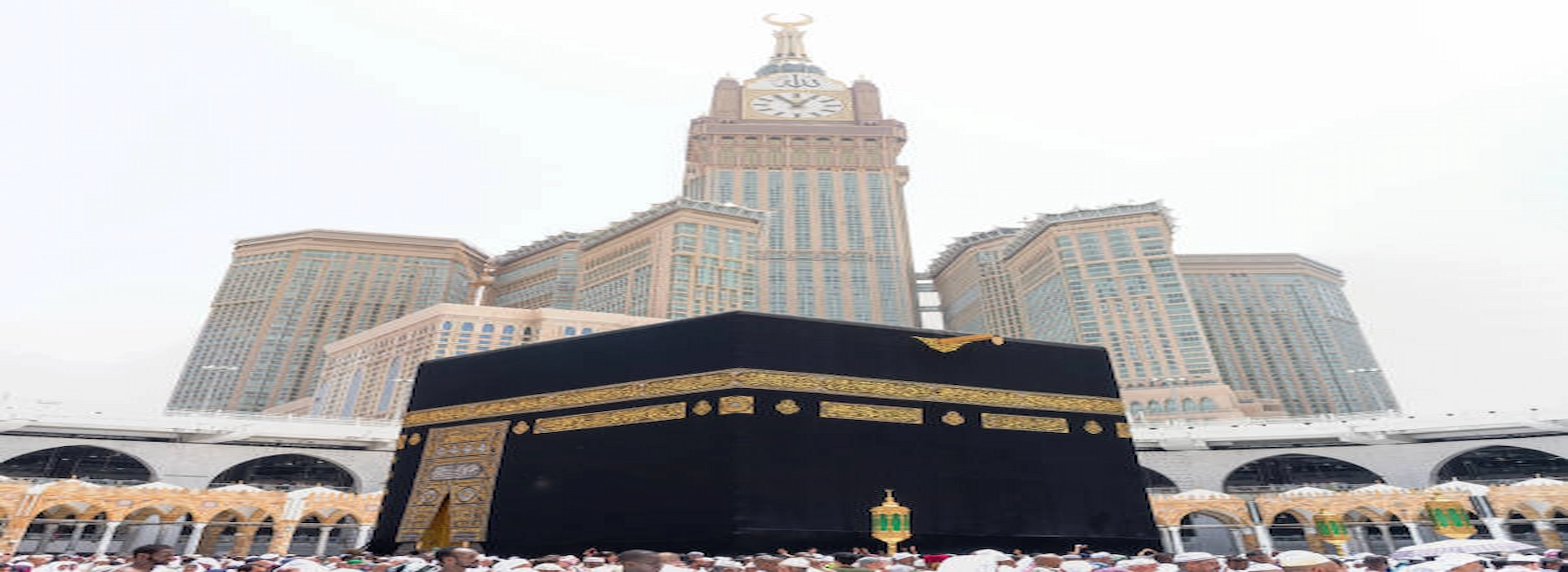
Makkah is not just a destination; it is the heartbeat of the Islamic world, a sanctuary where every glance can become an act of worship. Many pilgrims wonder which Places in Makkah Offer Beautiful Views for Reflection and Dua to enhance their spiritual journey beyond the bustling crowds of the Mataf.
Planning a family umrah vacation allows you to share these profound moments with your loved ones, creating memories that are spiritually enriching and visually breathtaking. While the primary goal of Umrah is the rituals of Tawaf and Sa’i, finding quiet corners for Tafakkur (deep reflection) is essential for a complete spiritual reset.This guide explores the most serene and scenic spots in Makkah where you can pause, raise your hands in supplication, and witness the majesty of Allah’s creation.
The Spiritual Significance of Reflection (Tafakkur) in Makkah
In the rush to complete rituals, we often forget the Quranic instruction to reflect upon the signs of Allah. Makkah is filled with these signs—from the rugged mountains that witnessed the dawn of Islam to the modern marvels that serve the guests of Allah.
For families traveling from the UAE, balancing the physical demands of Ihram and rituals with moments of peace is crucial. Visiting these scenic spots offers a chance to:
Teach children about Islamic history visually.
Make heartfelt Dua in a state of awe and gratitude.
Escape the high-density crowds for a moment of Khushu (humility/focus).
Top Places in Makkah for Spiritual Reflection and Views
Here are the most spiritually charging and visually stunning locations to visit during your stay.
1. The Roof of Masjid Al Haram
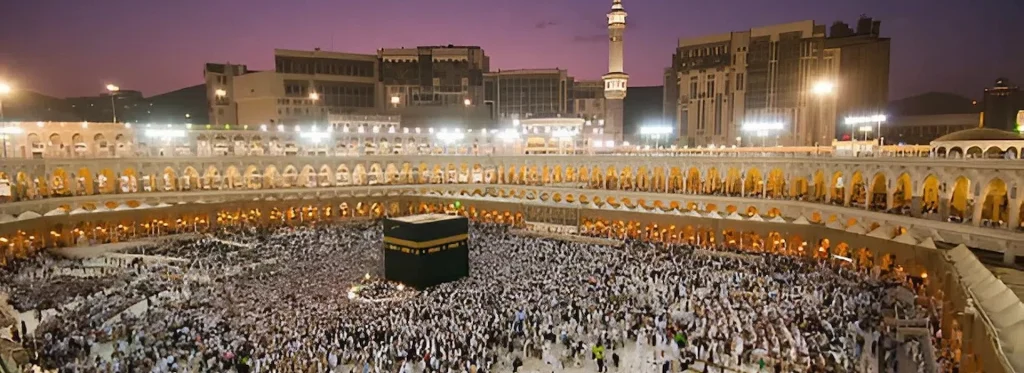
While the Mataf (the area around the Kaaba) is the most energetic spot on earth, the roof of Masjid Al Haram offers a completely different perspective.
The View: A sweeping, panoramic view of the Kaaba, the swirling sea of pilgrims in white Ihram, and the towering skyline of Makkah.
Why Visit: It is generally airier and less crowded than the ground floor. It is the perfect place to sit for Asr or Maghrib, recite the Quran, and make long, uninterrupted Duas while gazing at the House of Allah.
Family Tip: This is accessible via escalators, making it excellent for travelers with strollers or wheelchairs.
2. Jabal Al-Nour (The Mountain of Light)
For families with older children or fit adults, this is arguably the most significant historical site in Makkah outside the Haram.
The View: From the top, you can see the sprawling city of Makkah and the Grand Mosque glowing in the distance. The peak offers a rugged, raw beauty that reminds you of the solitude the Prophet (PBUH) sought.
The Significance: This houses the Cave of Hira, where the first revelation of the Quran descended. Sitting near the cave, looking out over the same horizon the Prophet (PBUH) viewed, is a spine-tingling experience.
Constraint: The hike takes 45 minutes to 1.5 hours. It is steep. Avoid this during the heat of the day; early dawn (post-Fajr) is best.
3. The Clock Tower (Abraj Al Bait) Observation Deck
If hiking is too difficult for your family, the Observation Deck in the Abraj Al Bait (Clock Tower) offers the highest accessible point in Makkah.
The View: A bird’s-eye view of the Kaaba, the entire Masjid Al Haram complex, and the surrounding mountains. You can see the flow of pilgrims performing Tawaf from a perspective that highlights the unity of the Ummah.
The Experience: It houses an Astronomy Museum that is fantastic for educational purposes. It connects science with faith, explaining how the cosmos aids in determining prayer times and the Qibla.
Accessibility: Fully air-conditioned and elevator-accessible, making it perfect for seniors and toddlers.
4. Jabal Thawr: A Testament to Trust
Jabal Thawr is home to the cave where the Prophet (PBUH) and Abu Bakr (RA) took refuge during the Hijrah (migration) to Madinah.
The View: Higher than Jabal Al-Nour, this mountain offers commanding views of the rocky desert landscape. It creates a sense of isolation that helps you understand the reliance (Tawakkul) the Prophet had on Allah.
Reflection Point: This is the place to make Dua for protection and safety for your family, recalling the verse: “Do not grieve; indeed Allah is with us.”
Note: This is a difficult hike (2+ hours round trip) and is recommended only for physically fit pilgrims.
5. Jabal Ar-Rahmah (The Mount of Mercy) in Arafat
Though technically outside the main city limits of Makkah, a visit to Arafat is a standard part of Ziyarat (visitation) tours.
The View: A view of the vast plains of Arafat. It is a wide, open space that feels incredibly peaceful outside the Hajj season.
The Significance: This is where the Prophet (PBUH) delivered his Farewell Sermon. It is also believed to be the meeting place of Adam (AS) and Hawa (AS).
The Dua: It is known as a place where Duas are accepted. It is a powerful spot to ask for forgiveness and blessings for your marriage and family lineage.
Practical Tips for Families Visiting These Sites
When booking your family umrah vacation, logistics are just as important as spirituality. Here is how to manage these visits smoothly.
Best Times to Visit to Avoid Crowds
Masjid Al Haram Roof: Go 1 hour before Maghrib to secure a spot with a view of the Kaaba.
Mountains (Nour/Thawr): deeply late night (3:00 AM) or immediately after Fajr. Never attempt these hikes between 10:00 AM and 4:00 PM.
Museums: Weekday mornings (Sunday to Wednesday) are usually quieter than weekends.
Accessibility for Elders and Children
If you are traveling with elderly parents or young kids, prioritize:
The Haram Roof (Escalators available).
The Clock Tower Museum (Elevators available).
Jabal Ar-Rahmah (The hill is low and has stairs, though the plain itself is flat and accessible by bus/taxi).
Travel Tip: Ensure your Umrah package includes “Ziyarat” (sightseeing) transport. Trying to hail taxis to these specific landmarks with a large family can be challenging.
Enhancing Your Duas: Etiquette in Holy Places
To maximize the Barakah (blessings) of these views, keep these etiquettes in mind:
Face the Qibla: Even if the view is stunning in another direction, always orient yourself toward the Kaaba when making Dua.
State of Wudu: Try to remain in a state of ablution, even when outside the mosque.
Zamzam Water: Carry a small bottle of Zamzam with you. Drink it with intention before making your supplications at these high-altitude spots.
Charity (Sadaqah): Give a small amount of charity before or after your visit to increase the chances of acceptance.
Frequently Asked Questions (FAQs)
Here are answers to common questions asked by pilgrims traveling from the UAE.
1. How much does a family Umrah cost from Dubai?
The cost varies significantly based on the season and luxury level. Budget bus packages can start from AED 1,200 per person, while 5-star flight packages typically range from AED 3,500 to AED 6,000+ per person. Prices peak during Ramadan and December holidays.
2. Is vaccination required for Umrah?
Yes, the meningitis vaccination is mandatory for all pilgrims. Depending on current regulations, proof of COVID-19 vaccination may also be checked. Always verify with your travel agent for the latest Ministry of Hajj & Umrah health requirements before flying.
3. Can we take small children to Jabal Al-Nour?
It is not recommended to take toddlers or infants up Jabal Al-Nour. The path is steep, uneven, and requires physical exertion that is difficult while carrying a child. Children aged 10+ who are active may be able to manage the hike with supervision.
4. What is the best area to stay for a family Umrah vacation?
For families, hotels in the Clock Tower (Abraj Al Bait) or Jabal Omar area are best. They offer direct access to the Haram courtyard, minimizing walking distance for children and elders. These areas also have food courts and pharmacies nearby.
5. Do Umrah packages include visits to these scenic places?
Most standard packages include a “Ziyarat” day, which covers Jabal Al-Nour, Jabal Thawr, and Arafat by bus. However, the bus usually stops at the base of the mountains for photos. If you wish to hike or visit the Clock Tower museum, you may need to arrange a private taxi or customize your package.
Conclusion:
Makkah is a city where history breathes and spirituality is tangible. By stepping away from the hotel room and visiting these Places in Makkah that Offer Beautiful Views, you add a layer of depth to your pilgrimage. Whether you are gazing at the Kaaba from the roof of the Haram or looking down at the city from the heights of the Clock Tower, these moments of reflection will likely become the highlight of your family umrah vacation.
Newsletter
Recent Blogs
-
 How Do Travelers Choose the Best Umrah Support Services?23 Jan 2026
 -
 What UAE Pilgrims Should Know About Hotel Location Before Booking22 Jan 2026
 -
 How to Organize a Last-Minute Umrah Trip From Abu Dhabi22 Jan 2026
 -
 How UAE Parents Can Prepare Teenagers for Their First Umrah21 Jan 2026
 -
 Best Strategies for UAE Pilgrims to Avoid Crowd Fatigue During Umrah21 Jan 2026
