

Avoid Long Queues During Umrah: Practical Tips for Pilgrims
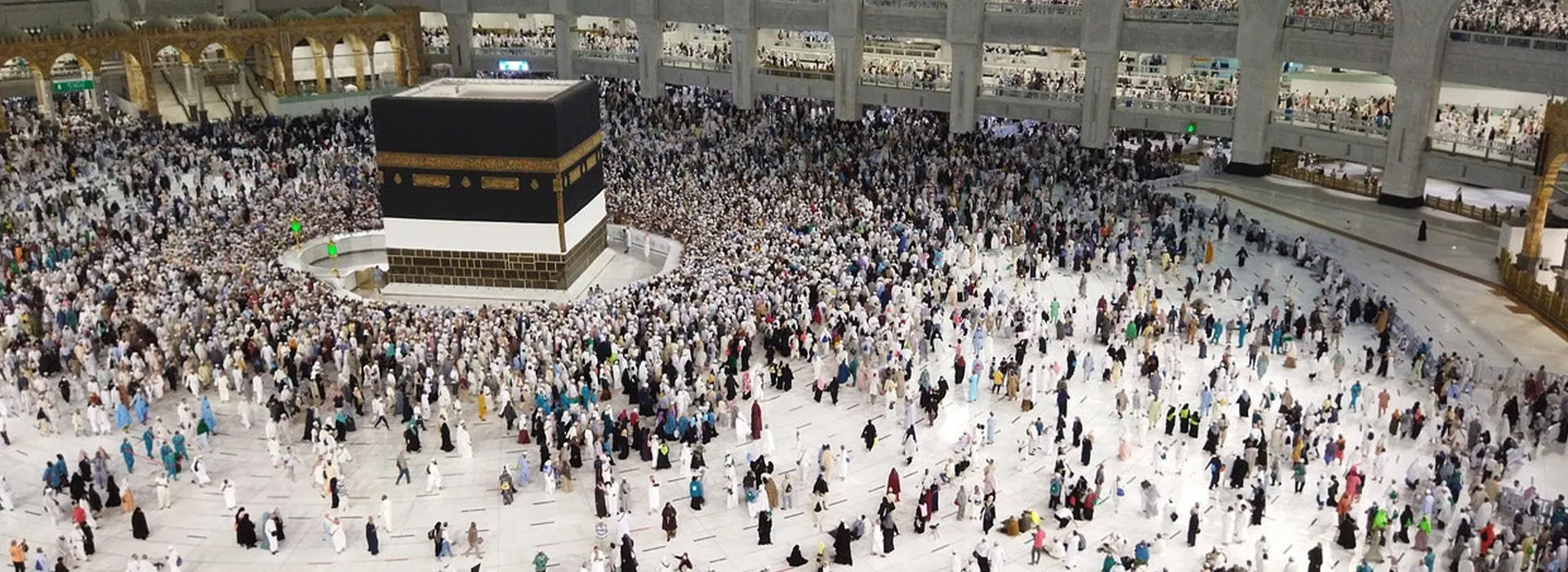
Performing Umrah is a deeply meaningful spiritual journey for Muslims, but long queues can sometimes affect the overall experience. With millions of pilgrims visiting Makkah throughout the year, overcrowding at key ritual areas is common, especially during peak seasons. Knowing how to Avoid Long Queues During Umrah allows pilgrims to stay focused on their prayers and rituals instead of spending valuable time waiting in crowded lines. Proper timing and awareness can make a significant difference in how smoothly your pilgrimage unfolds.
Careful preparation is essential to ensure a stress-free journey. With proper Umrah Travel Planning, pilgrims can select ideal travel dates, choose convenient accommodation, and follow smart strategies to reduce waiting times. A well-organized approach not only saves time but also preserves energy, helping you complete rituals with peace of mind. By planning ahead, you can experience Umrah in a calm and spiritually fulfilling way without unnecessary delays.
How to Avoid Long Queues During Umrah for a Smooth and Stress-Free Pilgrimage
What Causes Long Queues During Umrah Rituals?
- Peak prayer timings: Large numbers of pilgrims gather before and after prayers, leading to heavy congestion.
- Seasonal rush: Ramadan, school holidays, and winter months bring significantly higher visitor numbers.
- Limited access routes: Certain entrances and pathways become overcrowded due to uneven crowd distribution.
- Poor planning by pilgrims: Many people perform rituals at the same time without considering crowd patterns.
Who Is Most Affected by Long Queues During Umrah?
- Elderly pilgrims: Long waiting times can be physically demanding and tiring.
- Families with children: Managing children in crowded areas increases stress and delays.
- First-time visitors: Lack of familiarity with routes and timings often leads to longer queues.
- Group travelers: Coordinating large groups slows movement and increases waiting time.
Avoid Long Queues During Umrah: Best Times to Perform Rituals
1. Early morning after Fajr prayer
The period right after the early Morning Prayer is one of the most effective times to perform Umrah rituals. Many pilgrims prefer to rest after completing their prayers, which results in lighter crowds. The cooler temperature during early hours also makes walking more comfortable, helping you complete rituals without exhaustion. This time allows smoother movement and minimal waiting, making it ideal for elderly pilgrims and families.
2. Late night after Isha prayer
Late-night hours provide a quieter environment with fewer pilgrims compared to daytime. Many visitors choose to sleep during this time, reducing congestion significantly. This is an excellent opportunity for those who want to perform rituals at a relaxed pace without rushing. The calm atmosphere also enhances concentration and allows you to complete your pilgrimage peacefully without dealing with heavy crowds.
3. Mid-week days for rituals
Weekdays, especially from Tuesday to Thursday, are generally less crowded compared to weekends. Local visitors and short-term travelers are fewer during these days, making it easier to access key areas. Planning your rituals during mid-week can help reduce waiting time significantly. This approach ensures better movement flow and allows you to perform rituals without unnecessary interruptions or delays.
4. Traveling during off-peak seasons
Choosing non-peak travel months can greatly improve your Umrah experience. Avoiding busy periods like Ramadan and school holidays means fewer pilgrims and shorter queues. This allows better access to important areas and a more relaxed pace throughout your journey. Off-peak travel not only reduces waiting time but also makes the overall environment more comfortable and manageable.
Essential Preparations to Avoid Long Queues During Umrah
1. Prepare a detailed schedule in advance
Planning your daily routine before arriving helps you avoid peak hours. Identify the best times for each ritual and stick to your plan. Having a structured approach ensures you do not waste time deciding what to do next. It also helps you avoid crowded periods and move efficiently throughout your pilgrimage without unnecessary waiting.
2. Book accommodation close to the mosque
Staying within walking distance gives you the flexibility to visit at less crowded times. You can easily return to your room during peak hours and resume later. This reduces reliance on transportation and saves time. Proximity plays a major role in minimizing delays and ensuring a smoother experience during your rituals.
3. Stay informed about crowd patterns
Observing daily crowd trends can help you make better decisions. Speak to hotel staff or guides to understand which times are busiest. Being aware of these patterns allows you to adjust your schedule accordingly. This simple step can save you hours of waiting and help you perform rituals more efficiently.
4. Carry only essential items
Traveling light makes it easier to move through crowded areas. Heavy bags slow you down and make navigation difficult. Keeping only necessary items ensures better mobility and comfort. This helps you avoid delays and move quickly during your rituals, especially in crowded spaces.
5. Maintain physical fitness and energy
Umrah involves a lot of walking, so being physically prepared is important. Comfortable footwear and proper hydration help you move efficiently. Good stamina allows you to complete rituals without frequent breaks, reducing the chances of getting stuck in long queues. Staying active before your journey can make a noticeable difference.
How Umrah Travel Planning Helps Minimize Waiting Time
1. Smart itinerary planning
A well-planned itinerary ensures that you perform rituals during less crowded times. Travel experts design schedules based on crowd patterns and peak hours. This reduces waiting time and allows smoother movement. A strategic plan ensures that every step of your journey is organized and efficient.
2. Better group coordination
When traveling in groups, proper planning helps manage movement effectively. Guides ensure that the group follows a structured schedule, avoiding delays. This prevents confusion and reduces waiting time. Coordinated movement allows everyone to complete rituals smoothly without unnecessary stops.
3. Selection of convenient accommodation
Choosing hotels near the mosque reduces travel time significantly. This allows you to perform rituals at flexible hours without worrying about transportation. Easy access helps you avoid delays caused by traffic or long travel distances. Staying close ensures that you can manage your time effectively.
4. Access to expert advice
Travel planners provide valuable insights on timing and routes. Their experience helps you avoid common mistakes that lead to long queues. With proper guidance, you can navigate crowded areas more efficiently. Expert advice ensures a smoother and more comfortable pilgrimage experience.
Tips to Avoid Long Queues During Tawaf
- Perform Tawaf on upper levels if the ground area is crowded.
- Start Sa’i immediately after Tawaf to avoid increasing crowds.
- Avoid performing rituals close to prayer times.
- Move with the flow of the crowd instead of against it.
- Choose less crowded entry gates for quicker access.
- Take short breaks only in less busy areas.
- Stay alert and adjust your timing as needed.
- Follow instructions from staff to maintain smooth movement.
Best Entry Points and Routes to Reduce Crowd Time
- Use alternative entrances instead of main gates.
- Follow signs to avoid congested pathways.
- Enter during non-peak hours for faster access.
- Exit carefully to avoid merging with incoming crowds.
- Seek help from staff for less crowded routes.
- Avoid areas known for heavy congestion.
- Plan your entry and exit points in advance.
Common Mistakes That Lead to Long Waiting Times During Umrah
- Performing rituals during peak hours without planning.
- Following large crowds instead of choosing better routes.
- Carrying unnecessary items that slow movement.
- Ignoring advice from guides and officials.
- Delaying rituals until busy periods.
- Not adapting to real-time crowd conditions.
- Underestimating the importance of preparation.
Important Tips for Pilgrims to Avoid Long Queues During Umrah
- Stay flexible with your schedule.
- Keep yourself hydrated and energized.
- Travel in smaller groups for easier movement.
- Monitor crowd updates regularly.
- Follow rules for better crowd management.
- Remain calm and patient in busy areas.
- Begin rituals early whenever possible.
- Rest during peak hours and resume later.
- Plan each step of your journey carefully.
Conclusion
A smooth and peaceful Umrah experience requires both spiritual focus and practical planning. By understanding crowd patterns, choosing the right timings, and preparing in advance, pilgrims can successfully Avoid Long Queues During Umrah. Small decisions, such as selecting off-peak hours or staying close to the mosque, can make a big difference in reducing waiting time and improving comfort.
With the right approach and guidance from trusted services like Umrah Booking.ae, your journey becomes far more manageable. Careful preparation ensures that you can truly Avoid Long Queues During Umrah, allowing you to focus on your prayers and complete your pilgrimage with ease, comfort, and a sense of fulfillment.
Newsletter
Recent Blogs
-
 How Proper Umrah Preparation Improves the Pilgrimage Experience15 Jun 2026
 -
 Understanding Quad, Triple, and Double Sharing in Umrah Packages13 Jun 2026
 -
 Hidden Costs Pilgrims Should Know Before Booking Umrah by Bus12 Jun 2026
 -
 What Pilgrims Should Consider When Choosing Umrah Travel Dates11 Jun 2026
 -
 Why Travelers Prefer Customized Umrah Packages Over Standard Packages10 Jun 2026
